
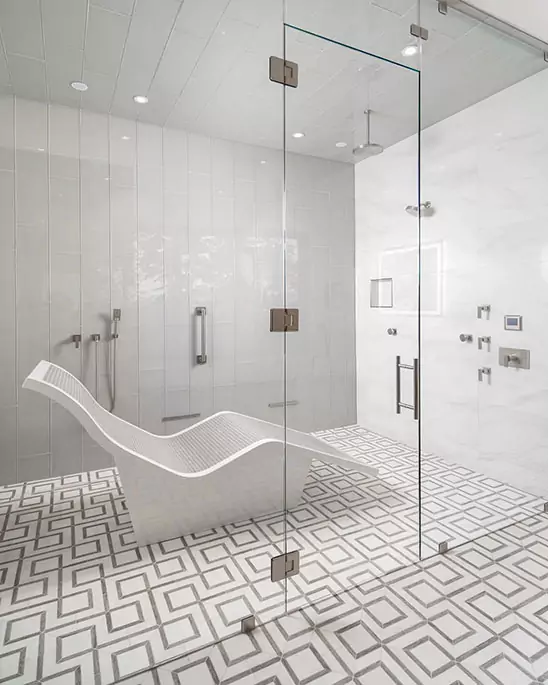
Bathrooms often feel like the most functional room in the house, but a quick update can turn them into a space that feels fresh and inviting. One of the easiest and most effective ways to give your bathroom a new look is by changing the tiles. Whether you love bold patterns or simple colors, the right tile design can brighten the room, add texture, and make daily routines a little more enjoyable. Let’s explore some stylish tile ideas that combine both beauty and practicality to help you plan a modern bathroom makeover.
To instantly refresh your bathroom, consider using textured ceramic tiles or glossy white tiles that add modern sophistication and brightness to the space. Incorporating monochrome palettes with varied tile shapes or natural stone mosaics can also create visual depth and elegance, transforming your bathroom into a stylish retreat.
Refreshing Your Bathroom with Tiles
Tiles are one of those rare home upgrades that combine style with practicality seamlessly. When you choose the right tile, you’re not just changing the look—you’re improving durability and ease of cleaning in a high-moisture environment. For bathroom spaces, materials like porcelain remain top contenders due to their moisture resistance and longevity, making them a smart investment for busy households. Ceramic tiles offer versatility, especially for walls, allowing homeowners to experiment with colors and finishes without sacrificing quality.
But it’s not only about picking a material; the texture and finish of tiles can dramatically influence how the room feels. Matte tiles soften the light reflection, creating a tranquil, less clinical atmosphere, a feature favored by over two-thirds of bathroom renovators seeking slip resistance while maintaining elegance. On the other hand, glossy tiles bounce light around the space, enhancing brightness and making smaller bathrooms appear larger and more open. This duality is why many designs incorporate matte floors paired with glossy wall tiles for balanced visual interest and safe footing.
Beyond color and material choice, the pattern in which tiles are laid out injects personality and rhythm into your bathroom. Classic grid patterns convey simplicity and order, but mixing in patterns like herringbone or chevron introduces subtle movement without overwhelming the senses. These patterns are trending now for good reason: they add architectural flair while still complementing fixtures and fittings gracefully. For homeowners who want an artistic touch without fussiness, considering feature walls with patterned mosaic tiles offers a targeted splash of artistry that becomes a focal point without dominating the entire space.
Choosing and installing new tiles is as much about thoughtful design as it is about technical details; understanding how various elements influence ambiance lets you create a bathroom that truly feels both fresh and timeless.
To ensure your tile makeover carries through elegantly, consider coordinating your tile colors closely with other elements like paint tones or bathroom fixtures. This harmony creates a serene backdrop where bold accents don’t clash but accentuate the overall design intent. Neutral palettes lead the market for this reason, providing warmth and flexibility while offering a stylish canvas to build upon, whether you want subtle sophistication or surprising pops of color like emerald green or matte black details.
Installation details matter too: planning grout colors carefully can either highlight the shape of your tiles or blend them into a seamless surface, affecting how spacious or dynamic your bathroom feels. Even small decisions like tiling height, whether walls get full-height coverage or partial “wainscoting”, impact both style and function by protecting vulnerable areas from moisture while introducing shelves or ledges for bath essentials in creative ways.
For those aiming to refresh their bathroom confidently, working with expert tile specialists can be a game-changer. Professionals not only bring knowledge of trending materials but also curate personalized solutions tailored to your lifestyle needs, balancing aesthetics with durability and maintenance concerns.
At North State Tile Design Center, consultations focus not merely on style preferences but on crafting lasting spaces where everyday comfort meets elevated design, a strategy proven to increase both satisfaction and home value alike.
With these foundational ideas in mind, it’s exciting to explore how creative use of patterns and textures can elevate your bathroom even further, adding layers of dimension and visual intrigue that redefine the space’s character effortlessly.
Creative Patterns and Textures
When you start playing with tile patterns like herringbone or hexagon shapes, you’re doing more than decorating; you’re creating a visual story on the walls or floors. The herringbone pattern, for instance, is famous for its rhythmic zigzag that guides the eye along the surface, making spaces feel longer or wider depending on how it’s laid out. Imagine glossy rectangular tiles catching the light differently throughout the day, adding lively reflections that shift with your movement. This isn’t just decoration; it’s an interplay between light, texture, and space that activates your bathroom in subtle but impactful ways.
Similarly, hexagon tiles offer a geometric charm with a nod to vintage aesthetics that can feel fresh and modern when paired with bold new colors like matte black or pristine white. Swapping between matte and glossy finishes within the same hexagonal layout can awaken the surface, introducing contrasts that make your walls feel tactile and alive. It’s about balancing sheen and softness so that every glance invites a new detail to surface, whether a glint from glossy edges or the soft matte’s quiet embrace.
Tactile surfaces have become a key trend in 2026 tile design, moving beyond mere appearance to invite touch and exploration. Designers are increasingly embracing handcrafted tiles with irregular edges or layered glazes that break the monotony of flatness. When you combine these textural tiles with creative layouts like scalloped edges or ribbon-like borders, your bathroom becomes more than functional; it turns into a cozy retreat full of character.
What’s important here is understanding that texture not only affects visuals but also alters how you experience space. Rougher finishes create warmth and intimacy, perfect for transforming sterile bathrooms into inviting sanctuaries. Meanwhile, smooth gloss accents add punch where needed without overwhelming the senses. The goal is to strike a harmony, a dance between subtlety and statement.
To harness this well, consider mixing materials that resemble familiar textures, like leather-look concrete tiles or denim-inspired ceramic collections, to add unexpected layers of interest. These choices show off craftsmanship while grounding your room in tactile reality, heightening comfort without sacrificing sophistication.
So when choosing creative tile patterns and textures for your bathroom refresh, ask yourself, “How do I want this space to feel as much as look?” Play with combinations of finishes and shapes thoughtfully to build an environment that surprises each time you enter.
With these dynamic patterns and tactile surfaces bringing fresh energy to your bathroom, turning attention to selecting the right tile material and color brings a crucial dimension to completing your stylish makeover.
Choosing the Perfect Tile
The choice of tile can truly make or break your bathroom remodel, and it’s about far more than just picking a pretty design. At its core, selecting tile involves balancing practical performance with aesthetic appeal.
For instance, porcelain tiles have cemented their reputation as a go-to for bathrooms because of their exceptional durability and resistance to moisture. This makes them suitable not only for floors but also for shower walls, where water exposure is constant.
Meanwhile, ceramic tiles offer incredible versatility in style and color options, making them a great choice if you want to play with patterns or vibrant hues without compromising on ease of maintenance.
Beyond just material type, other qualities come into play; texture, finish, and size can influence every aspect of how the tile performs and how the space feels.
Matte finishes lend a modern, understated look but provide better slip resistance on floors. Glossy tiles reflect more light, enhancing brightness, but can feel cooler underfoot. Then there’s texture: subtle relief or sculptural surfaces invite touch and add warmth, a tactile quality increasingly sought after in 2026’s design trends.
One important step often overlooked is bringing home tile samples before committing. When tiles sit under harsh store lighting, it’s easy to miss tiny nuances in shade or pattern that become striking once placed under your bathroom’s natural or artificial light sources.
I recommend placing several samples side by side on your actual bathroom surfaces at different times of day. This simple test reveals the true undertones and texture depth so you avoid costly surprises later.
It’s also wise to consider how your chosen tile fits within your overall vision, from fixtures to wall colors, ensuring harmony rather than clash.
For example, if you prefer textured stone-look tiles on the floor for an earthy feel, pairing them with sleek, matte wall tiles in softer green tones can create a balanced biophilic ambiance that both soothes and invigorates.
Having established guidelines for selecting the right tile, the next critical phase revolves around how best to position these elements to craft a cohesive and dynamic bathroom environment.
Optimal Tile Placement
When planning a tile layout, the first thing to consider is how placement can transform the perception of space. Tiles that run from floor to ceiling, especially in the shower area, create a striking visual effect by drawing the eye upward. This not only makes smaller bathrooms feel more spacious vertically but also adds a sense of luxury and continuity.
For instance, installing large-format porcelain or natural stone tiles uninterrupted all the way up prevents breaks or seams that could visually chop the space. Additionally, these tiles provide excellent protection against water damage by fully sealing walls where moisture is most intense.
Another powerful technique is to designate an accent wall, often behind a vanity or tub, as the centerpiece of your design. By choosing tiles with bold colors, unique textures, or intricate patterns for this wall alone, you create an intentional point of focus without overwhelming the entire room.
This approach lets you introduce personality and contrast thoughtfully while maintaining balance. For example, pairing grayscale subway tiles on main walls with a richly veined marble or patterned mosaic accent behind the sink can uplift everything nearby, unifying aesthetics throughout your bathroom.
Beyond vertical placement, floor tile orientation deserves attention as well. Aligning rectangular tiles in staggered joints rather than straight lines softens their appearance and hides imperfections better over time. Patterns like herringbone or basketweave add dynamic energy underfoot and complement wall layouts without stealing the spotlight.
At North State Tile Design Center, we often recommend starting tile patterns from a central visual line, commonly the middle of a main wall or centered under fixtures, to achieve symmetry and flow that feels natural when you walk in.
Practicality also guides optimal tile height: typically, wall tiling extends 48 to 60 inches above flooring in areas like sinks or bathtubs to protect drywall from daily splashes while creating a pleasing wainscoting effect. In designated wet zones such as shower stalls, full-height tiling is best for moisture resistance and ease of cleaning.
This layered approach balances durability with aesthetic restraint, avoiding excessive installation costs while maximizing protection.
With careful attention to placement height, pattern alignment, and material choice, and thoughtful accents, your bathroom will not only have renewed style but also enhanced longevity and cleanliness. Building upon this foundation, exploring ways to incorporate accents and contrasting elements will elevate your transformation into something truly remarkable.
Stylish Accent and Contrast Ideas
Adding accents and contrasts to your bathroom tile design is like giving your space its own voice. It shifts a look from purely functional to strikingly personal, creating visual layers that invite the eye to linger.
Accent borders, for instance, serve as elegant frames for simpler tiles. Imagine a plain, crisp subway tile wall outlined with a narrow band of artisanal mosaic tiles; the irregular shapes and subtle color shifts in those mosaics add texture and dimension without overwhelming the overall calmness of the design. This approach lets you bring in small bursts of pattern or vibrant hues, infusing personality while keeping a grounded base.
When choosing accent borders, it’s important to consider scale and flow. A border that’s too wide can dominate the design and make the space feel fragmented. Instead, opt for thinner accent strips positioned thoughtfully around mirrors, niches, or along wainscoting heights where they naturally catch the eye but maintain balance.
Using richly textured or dimensional tiles, like those with relief patterns or scalloped edges, adds artistry that plays well against smooth tiles, bringing tactile interest on top of color contrast.
Another powerful tool to enhance your bathroom tile layout is contrasting grout. Dark grout paired with light-colored tiles is no longer reserved for industrial lofts alone; it’s found renewed popularity even in refined modern bathrooms.
This pairing creates sharp lines that outline each tile crisply, giving simple shapes immediate graphic impact. Moreover, it highlights pattern repetition where subtle nuances might otherwise go unnoticed. For example, white hexagonal tiles paired with deep charcoal grout reveal their honeycomb geometry boldly, transforming the floor or walls into a contemporary quilt.
Contrasting grout can also be a practical choice. Darker grout tends to disguise stains and dirt better than lighter shades, which helps keep busy bathrooms looking fresh for longer periods between cleanings.
That said, don’t let strong contrasts overwhelm small spaces; pair them carefully with calming fixtures or neutral tones elsewhere to maintain harmony. Alternatively, using mid-tone gray grout offers moderate contrast while softening stark differences if you prefer subtler outcomes.
Both accent borders and contrasting grouts are ways to inject control and artistry into what could otherwise be predictable tiled surfaces. They allow designers and homeowners alike to experiment with texture, color, and pattern without committing to an entirely bold renovation.
In fact, these techniques align perfectly with 2026 tile trends emphasizing texture and individuality, from artisanal Mexican talavera pieces to zellige’s natural variances in glaze depth, that celebrate imperfection as beauty.
“Effective use of accents and contrast elevates bathroom tile designs beyond mere backdrop; they become focal points that celebrate your style.”
As you consider these options, think about how these elements integrate with fixtures and finishes. Coordinating accent colors with hardware tones or bathroom textiles creates cohesive layers instead of visual noise.
Also, remember lighting greatly influences how accents appear; warm lighting enhances textured tiles’ depth, while cooler daylight emphasizes crisp contrasts.
Finally, balancing these contemporary touches with enduring elegance paves the way for bathroom spaces that feel both fresh today and timeless tomorrow. This thoughtful integration guides us smoothly into exploring styles that masterfully blend modern appeal with classic charm.
Contemporary and Timeless Styles
When refreshing a bathroom, aiming for a look that feels current yet remains appealing over time is key. A major way to do this is by embracing monochrome palettes, shades of gray, black, white, and everything in between. This restrained color scheme serves as a sophisticated canvas, allowing you to bring in seasonal accessories or bolder accents without worrying about clashing.
For instance, varying the tile shades from soft dove gray to deep charcoal can add subtle layering while maintaining an elegant cohesiveness. This strategy echoes one of the top 2026 tile trends, emphasizing color variation within a single tile type that brings life and depth without overwhelming the space.
Alongside color choices, texture plays an equally vital role in balancing modernity and timelessness. Mixing matte tiles with glossy finishes within the same neutral color family creates a tactile interplay that feels both fresh and welcoming.
Imagine stepping into a shower where matte stone-inspired floor tiles meet glossy subway tiles on the walls; the contrast adds visual interest and keeps the design from feeling flat. This approach reflects current industry insights focusing on tactile presence as a hallmark of contemporary tile design, inviting touch and interaction rather than just sight.
Another timeless technique enhanced by contemporary sensibilities involves using tiles with subtle irregularities: scalloped edges, handmade surface textures, or layered glazes. These imperfections honor traditional craftsmanship while fitting beautifully into today’s design ethos that prizes authenticity and warmth. Incorporating such elements ensures your bathroom doesn’t just follow trends but also tells a story through its surfaces, a quality that resonates well beyond fleeting fashions.
To make these combinations work well together, consistent attention to proportion and scale helps maintain harmony. For example, pairing large-format matte floor tiles with smaller glossy wall tiles in complementary hues keeps lines clean yet dynamic. Likewise, sticking with natural tones derived from earth or stone grounds the space in neutrality while enabling colorful fixtures or textiles to shine.
Ultimately, choosing these thoughtful layers of monochrome shading and textured surfaces grants your bathroom versatility. It becomes easier to tweak your décor over time without costly renovations because the core design stands strong against stylistic shifts, making it a wise investment for homeowners who want beauty that lasts.
These ideas capture much of what 2026’s best designers are emphasizing: texture, nuanced color variation, and hand-crafted character, which you can explore further at North State Tile Design Center, where curated collections embody these principles perfectly for your next bathroom makeover.
If you’re searching for bathroom tile designs, porcelain tile for sale, or expert flooring design services in Charlotte, NC, North State Tile Design Center is here to help. From modern bathroom tile layouts to marble countertop installation and custom flooring design, our team provides personalized guidance and professional installation support. Visit our Charlotte showroom to explore tiles for sale, speak with a design specialist, and schedule your consultation today. Call (704) 525-5566 to start transforming your space with trusted local tile and flooring experts.