
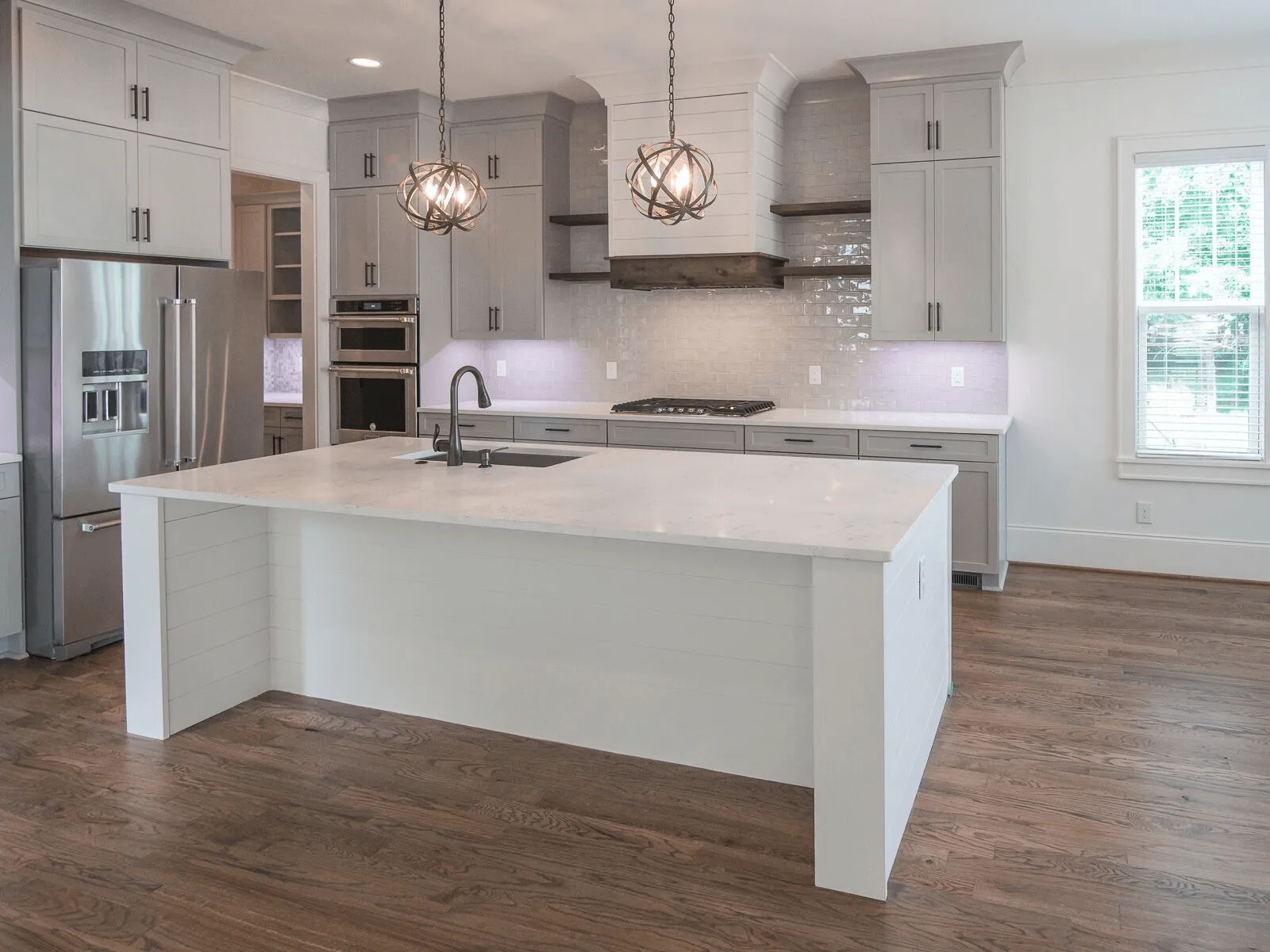
When designing a kitchen, one of the biggest challenges can be figuring out how to match your flooring with your countertops. It’s not as simple as just picking colors you like; the right combination can affect both the look and feel of your space. Imagine walking into a kitchen where every element feels like it belongs—smoothly blending together to create harmony. The good news is that with a few key tips, you can easily create that stunning balance. From choosing shades that complement each other to considering textures and patterns, understanding how to pair these elements makes all the difference in achieving a beautiful kitchen that reflects your style. Let’s dive in and explore how to expertly match flooring and countertops for a cohesive design!
To effectively match flooring with your countertops, start by considering the overall color scheme of your kitchen; lighter countertops pair well with warm wood or light-colored flooring for a harmonious look, while darker stone surfaces can benefit from lighter or contrasting floor materials to create balance. Additionally, it’s important to take into account the texture and pattern of both elements to ensure a cohesive aesthetic that enhances the overall design of your kitchen.
Flooring Materials and Effects
One of the standout options is hardwood, lauded for its warmth and natural beauty. It evokes a sense of comfort, making it a timeless choice for a cozy kitchen environment. However, while it’s undeniably beautiful, hardwood flooring can be prone to moisture. If you frequently spill liquids or have heavy foot traffic, some care will be required to maintain its charm.
Next, there’s tile, a versatile hero in many kitchens. Available in a plethora of designs and materials, such as ceramic or porcelain, tile offers an effortless way to express your style while being easy to maintain. A glazed finish can enhance its resilience against stains and moisture, transforming the kitchen into a practical yet aesthetically pleasing space. Imagine preparing meals on a glossy, colorful tiled floor that also simplifies cleaning tasks—pretty appealing!
Moving on to vinyl, this budget-friendly material stands out because it mimics the look of wood or stone without the hefty price tag. Vinyl flooring has come a long way and now features striking designs that make it hard to distinguish from traditional materials. It’s incredibly easy to install and maintain and maintenance—perfect for busy households where spills are inevitable.
If you’re looking for something similar but even more durable, consider laminate flooring. It boasts increased resistance to scratches and dents compared to vinyl, making it an excellent choice for kitchens that see plenty of action. With laminate’s ability to mimic more expensive materials, you can easily achieve a high-end look without breaking the bank.
Think about your existing kitchen elements: pairing a dark hardwood floor with light granite countertops creates a striking contrast that draws attention while maintaining overall balance. This approach allows each element—the flooring and countertops—to complement each other beautifully.
Choosing the right flooring material is like selecting the perfect companion for your countertops; they both contribute distinctly while harmonizing the entire kitchen atmosphere.
Having examined various flooring options, we now turn our focus to how different countertop choices can contribute significantly to enhancing both style and functionality in your kitchen.
Countertop Types and Choices
Countertops serve as the focal point of the kitchen and significantly influence the overall aesthetic and functionality of the space. Your choice of material can enhance harmony between countertops and flooring, creating a cohesive look that resonates with your personal style. When deciding on a countertop, it’s essential to consider not only appearance but also how it will interact with your chosen flooring materials.
Popular Countertop Materials
Granite is revered for its durability and vast range of colors and patterns. This natural stone adds a luxurious touch while being practical enough for everyday cooking. Granite is heat-resistant and withstands scratches better than many other materials. However, it’s crucial to regularly seal granite to protect its surface from stains.
Then there’s quartz, an engineered stone that embodies both beauty and convenience. Quartz countertops are non-porous, making them resistant to staining and easy to clean—ideal for busy kitchens. The myriad color options available mean you can find a quartz slab that perfectly complements your desired aesthetic without worrying about frequent maintenance.
Next on our list is marble, which often graces kitchens with its elegant veining and rich textures. While marble provides undeniable charm, it does require more care than granite or quartz; it’s softer, making it susceptible to scratches and stains if not treated properly. If you choose marble, be prepared for regular sealant applications to keep its pristine look.
Another excellent option is butcher block. This material injects warmth and rustic appeal into any kitchen design in Charlotte NC, making it particularly inviting. Butcher block pairs delightfully with lighter or neutral floors, emphasizing a cozy atmosphere. However, maintenance plays an integral role here—cutting boards must be regularly oiled to prevent warping and damage.
Now, some may argue in favor of laminate countertops as an affordable substitute that can mimic higher-end materials’ appearance. While laminate has come a long way in terms of aesthetics, yielding options that closely resemble granite or quartz, it simply can’t offer the same durability or longevity. In the long run, investing in solid stone surfaces may lead to greater satisfaction and less hassle down the line.
As you weigh your material options, always consider how your chosen countertops will interplay with the existing elements in your kitchen design. It’s not only about choosing what looks best but also ensuring they work in perfect harmony with your flooring selections.
Now that we’ve explored various countertop materials, let’s navigate towards how these choices can effectively align with colors and patterns throughout your home.
Coordinating Colors and Patterns
It all begins with establishing a base color that anchors your kitchen’s aesthetic. Popular choices like beige, white, and gray offer versatile canvases that pair well not only with countertops but also with other elements like cabinets and backsplashes.
For instance, if you select smooth white quartz for your countertops, pairing it with a soft light beige or even a cool gray floor can enhance that clean, modern look. Contrarily, opting for striking black granite as your focal point requires you to play strategically with lighter floors to achieve the contrast necessary for visual appeal. Each decision impacts how your entire kitchen comes together.
Now, when we venture into the territory of patterns, it’s crucial to remember that more isn’t always better. While bold and intricate designs can be captivating, they can also clash if not paired correctly. If your countertops exhibit a busier pattern—think vibrant veining in a marble surface—then choosing a subtler floor design will ensure balance and keep the eye from feeling overwhelmed. The goal is to create cohesion, where each element complements rather than competes for attention.
One effective way to assess color and pattern harmony is by utilizing samples. Bringing home swatches allows you to see how various hues interact under different lighting conditions throughout your day. You might be surprised at how sunlight streaming through your kitchen window can transform a chosen shade!
Creating a successful kitchen includes mindful considerations of color combinations. As you explore your options, aim for synergy; this will foster an inviting ambiance that feels both comfortable and stylish.
It’s often beneficial to take a step back and evaluate not just individual items but how they flow together within the entirety of the kitchen design. As we continue our exploration of interior aesthetics, we’ll discover essential techniques that incorporate variety while maintaining harmony in the overall look.
Mixing Textures for Balance
When it comes to achieving a visually stunning kitchen, mixing textures is like adding a secret ingredient to a cherished family recipe. It breathes life into your space by introducing depth and character. Imagine a crisp granite countertop paired with the warmth of rustic wooden flooring—there’s an instant dynamic that draws the eye and invites conversation. However, this beautiful interplay requires careful consideration; too many contrasting textures can lead to chaos rather than cohesion.
One effective way to find harmony amid blends of different materials is to focus on proportionality. According to studies by the American Society of Interior Designers, maintaining a ratio of about 60% dominant texture, such as the flooring, against 40% that serves as an accent texture, like countertops or backsplashes, can establish a coherent aesthetic. For example, if you choose smooth subway tiles for your backsplash, they can complement rough-hewn hardwood flooring beautifully. The key is striking that balance: each layer should enhance rather than compete with one another.
“A well-balanced mix of textures can transform a simple kitchen into an expression of your unique style.”
To take this concept further, consider how different finishes also play into overall texture perception. Incorporating matte and glossy surfaces can be particularly effective; the dullness of matte wood floors juxtaposed against shiny tiles creates an engaging visual dialogue. Homeowners often find joy in layering these contrasts since they add visual warmth and keep the kitchen feeling inviting—a perfect sanctuary for cooking or entertaining guests.
Textural contrasts also serve practical purposes. For instance, textured surfaces can effectively hide fingerprints and minor scuffs better than ultra-smooth ones, which is particularly beneficial in high-traffic areas like kitchens where mess is inevitable. Choosing materials with varied textures keeps maintenance lower while preserving aesthetic appeal.
By thoughtfully combining these elements, you not only uplift the ambiance but also create a functional kitchen that harmonizes both form and function. With these principles in mind, you’ll be well-equipped to make informed design choices as we explore useful strategies for your renovation journey.
Practical Design Tips
A cohesive kitchen design truly comes down to the nitty-gritty details, and understanding how each choice interacts with others is essential. One critical aspect is functionality; the materials you select should withstand the inevitable wear and tear typical in kitchens. Imagine families bustling about, where countertops and floors need to handle spills, scratches, and even the occasional dropped pot. That’s why opting for durable materials like quartz or hardwood—known for their resilience—is important.
Next on the list is lighting. It’s fascinating how the colors of flooring and countertops can transform under different lighting conditions. For instance, natural light will breathe life into warm wood tones during the day, while artificial lights may cast shadows that change the perception of color at night. Therefore, it’s wise to observe how potential choices appear during various times of day in your kitchen’s unique lighting setup.
With lighting being such a significant factor, let’s talk about another essential tip: sampling. Always bring samples home before making a final decision. Not only do these samples help visualize how they work together in your space, but they also allow you to see firsthand how they interact with your existing decor and lighting conditions. It’s surprising how slight differences in hue can influence the overall look of your kitchen.
To further enhance your planning process, consider using virtual design tools available online. These can provide a broad overview of your potential kitchen layout and material choices; however, combining this with visits to physical showrooms is invaluable. Seeing textures and materials in person helps you make more informed decisions since nothing can beat that tactile experience of feeling the materials against one another.
Lastly, think ahead when selecting colors and styles for your kitchen. Choose options that offer longevity and won’t fade as trends change. This way, you’ll avoid the hassle of frequent updates and maintain a classic aesthetic that feels fresh year after year.
Many homeowners find semi-custom solutions appealing because they blend personal touches with affordability. They put their own spin on established designs without breaking the bank—a winning combination.
As you embark on this creative journey, it often helps to seek out professional guidance for tailored advice specific to your unique vision.
Consulting Experts for Advice
The world of interior design can sometimes feel overwhelming, especially when contemplating a kitchen remodel. That’s where the experts come in. Consulting a local designer is like having a trusted guide who understands color and texture nuances, as well as how to create harmony in your space. An experienced designer can unlock insights that help you navigate everything from material choices to lighting fixtures, playing critical roles in achieving that coveted cohesive look.
One significant advantage of bringing in a professional is the ability to create personalized Computer-Aided Design (CAD) drawings. These visual representations allow you to visualize how different elements will come together long before making any purchases. It’s akin to looking at a dress on the rack compared to seeing it on your body—it gives you clarity and confidence about your choices. Plus, many designers offer initial consultations for free, so there’s little financial risk in exploring your options.
Oftentimes, clients find that investing in expert advice leads to savings overall by preventing costly design mistakes that may not be immediately apparent at first glance.
While DIY projects can be rewarding, they often come with risks—mistakes can lead to mismatched flooring and countertops or poorly sized islands that disrupt the flow within the space. Seeking expert guidance ensures you have someone on your side who can foresee potential issues and provide tailored solutions that align with your vision.
Ultimately, consulting an expert might be just what you need to transform your dream kitchen into reality, ensuring each component works seamlessly together while saving time and reducing stress throughout the process.
Ready to transform your kitchen? Visit our Charlotte showroom to explore porcelain, ceramic, and marble tiles along with stunning quartz and marble countertops. Our design experts will help you match flooring and countertops for a perfect look. Call us today at (704) 525-5566 or book your consultation online.