
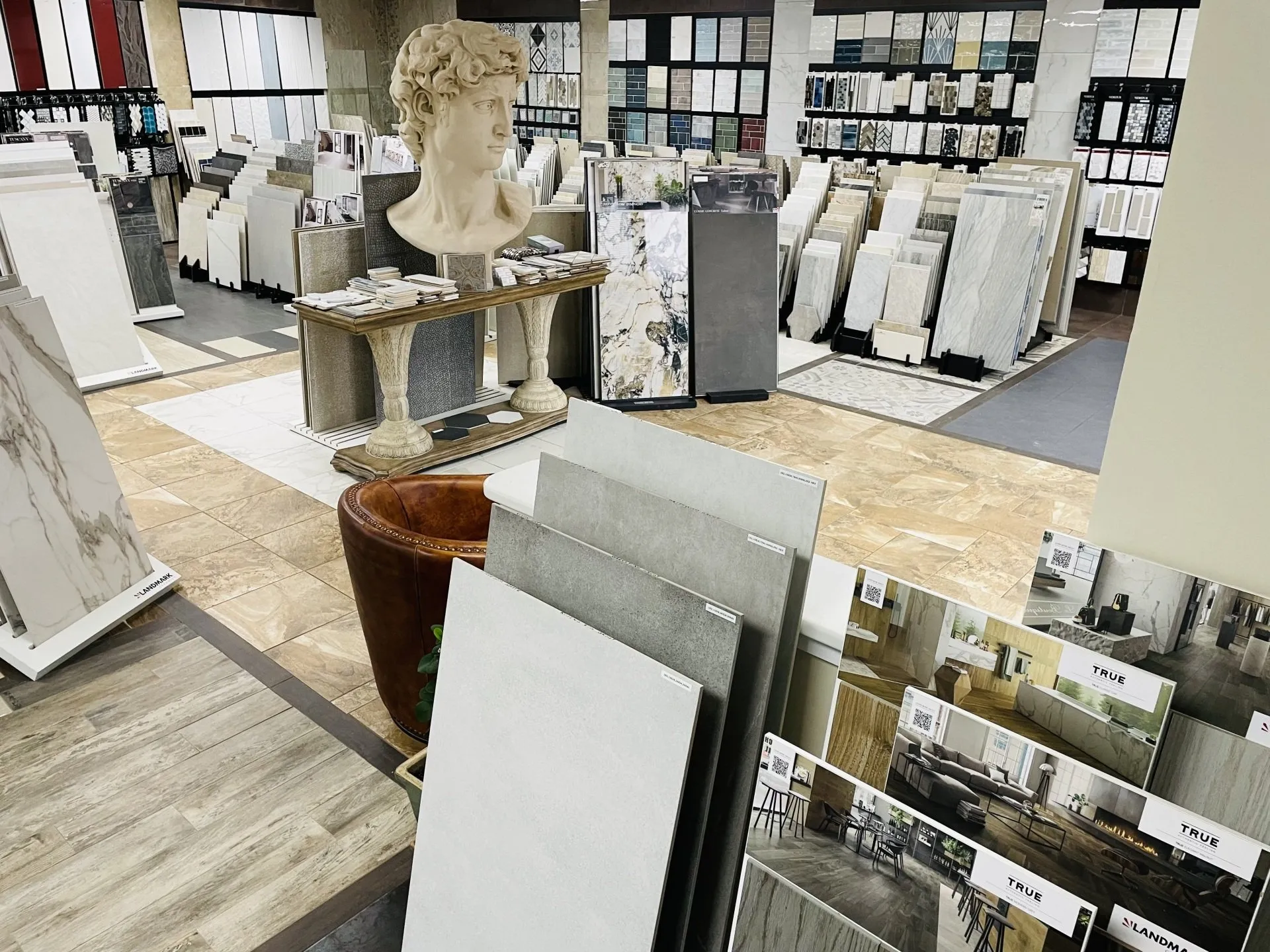
Choosing the right ceramic tile for your home can feel like a daunting task, but it doesn’t have to be! With so many options available, from colors and textures to different materials, how do you know which tiles are best for your space? To make this process easier for you, we’ll break down everything you need to consider: the type of tile that fits your style, its specific qualities for durability and maintenance, and how to ensure it complements your design vision. Let’s dive in and simplify this journey toward transforming your home with beautiful and functional ceramic tiles!
When selecting quality ceramic tile in Charlotte, NC, for your home, consider the tile’s attributes, such as water and stain resistance, its intended application (like floors, walls, or countertops), and its durability. Additionally, you should assess the aesthetic appeal, compatibility with your decor, and any specific maintenance requirements to ensure that the tiles meet both practical and stylistic needs for your space.
Ceramic Tile Types and Variations
When it comes to choosing ceramic tile, knowledge is power. Understanding the differences among glazed, porcelain, and quarry tiles ensures that you select the best option for your space and purpose. Each variant comes with its own set of attributes, allowing homeowners to express their personal style while considering practical functionality.
Glazed vs. Unglazed Tiles
Let’s start with glazed and unglazed tiles. Glazed tiles have a glass-like coating that provides a beautiful sheen along with excellent resistance to stains and moisture, meaning less scrubbing for you!
On the other hand, unglazed tiles present a more natural appearance—think earthy tones and textures—but they require a bit more attention to maintain their look, as their porous nature can create vulnerabilities against staining.
It’s essential to consider where these tiles will be installed. For high-moisture areas like bathrooms or kitchens, glazed tiles might fit the bill perfectly. If you prefer the rustic look in an outdoor space or sunroom, unglazed tiles could be your best choice—just remember that sealing may be necessary for protection.
Porcelain Tiles
Next up are porcelain tiles. A popular choice among homeowners, this subtype of ceramic tile is made from denser clay that’s fired at significantly higher temperatures compared to regular ceramic. The result? Exceptional durability and waterproofing make porcelain tiles perfect for high-traffic areas like hallways and kitchens.
While they tend to carry a higher price tag than other ceramic options, investing in porcelain can save you money in the long run; their resilience means they are less likely to crack or chip over time.
Quarry Tiles
Last but certainly not least are quarry tiles. These unglazed ceramic tiles are known for their natural hues and durable construction. Their rugged surface is specifically designed for outdoor use—think patios or entrances where dirt is often tracked in—without sacrificing aesthetics. The rough texture adds charm while providing superior slip resistance, making them ideal for wet conditions.
Each of these tile types has distinctive qualities that can transform a space visually while catering to your unique lifestyle needs. Grasping the advantages of each sets the stage for understanding how thickness and material choices impact your final selection.
Tile Thickness and Materials Explained
When it comes to selecting tiles for your installation, thickness is more than just a number; it represents a critical aspect of their performance. Tiles come in different thickness levels that cater to various applications and environments, making this knowledge essential for homeowners and designers alike. For instance, tiles with a thickness of less than 6 mm are generally reserved for wall applications—they’re lighter and easier to handle but may not withstand the rigors of foot traffic. On the other hand, tiles that range from 6-10mm are well-suited for residential flooring, providing a solid balance between sturdiness and cost-effectiveness.
Standard Thickness Levels
Here’s how different tile thicknesses correspond to their recommended uses:
| Tile Thickness | Recommended Use |
| < 6mm | Wall applications |
| 6-10mm | Residential flooring |
| 10-12mm | Commercial flooring |
| > 12mm | Heavy-duty areas |
So why does the thickness matter? A thicker tile can provide better resistance against fractures and breakage, which is particularly important in high-traffic zones or settings prone to wear and tear, like entryways or kitchens. It also offers enhanced stability, allowing it to remain unaffected by temperature fluctuations or moisture, especially if you live in humid climates.
Now that we’ve ventured into tile thickness, let’s pivot towards the materials themselves.
Material Composition
The essence of a tile’s durability lies not just in its thickness but also in its materials. Ceramic tiles, commonly made from a mixture of natural clay along with other compounds, serve as a fantastic option due to their versatility. However, it’s crucial to understand that raw materials and manufacturing processes deeply influence a tile’s final attributes, such as porosity, water absorption rate, and color. At North State Tile Design Center, we pride ourselves on sourcing high-quality raw materials that ensure longer-lasting products.
For example, porcelain tiles—often constructed in a similar fashion to ceramic—might offer greater density and lower water absorption rates, making them exceptionally suited for wet environments like bathrooms or kitchens. Opting for higher-grade porcelain could benefit those wishing to make aesthetic decisions without sacrificing durability. By contrast, natural stones like marble or limestone need a bit more care; they embody luxury but can be prone to stains if not sealed appropriately.
Understanding these foundational elements sets the stage for discovering how to select the right type best suited for your specific area and requirements.
Choosing the Right Tile for Your Space
When it comes to choosing tiles for kitchens and bathrooms, practicality is paramount. These areas are typically prone to moisture splashes, spills, and everyday messes. Thus, opting for tiles that can withstand water exposure makes a significant difference.
Glazed ceramic tiles are frequently recommended for their sleek, shiny surface that repels water and debris, making them effortlessly easy to clean. Similarly, porcelain tiles step up the game with their unparalleled durability and stain resistance. They offer a waterproof solution, perfect for high-traffic areas where hygiene is essential.
Kitchen and Bathroom Tiles
Imagine walking into a kitchen designed with beautiful porcelain tiles; they not only enhance the aesthetics of the space but also stand up well against daily wear and tear. For bathrooms, tiles should cater to comfort as well as safety, especially when wet. Consider styles with slip-resistant surfaces to avoid accidents during those rushed mornings. Don’t hesitate to explore vibrant colors or eye-catching patterns that suit your style while keeping functionality at the forefront.
After addressing the more practical areas of your home, we shift focus to living spaces, which often embrace both function and flair.
Living Rooms and Bedrooms
In contrast to kitchens and bathrooms, living rooms and bedrooms allow for a greater emphasis on aesthetics. This doesn’t mean neglecting functionality; rather, it’s about blending comfort and visual appeal. Wood-look ceramic tiles have gained popularity because they provide the warmth of traditional hardwood flooring but with increased durability—a win-win situation for any homeowner!
Similarly, stone-look tiles add elegance and sophistication while still being able to handle foot traffic gracefully.
Investing in high-quality materials pays off in the long run. It ensures that you don’t just have beautiful surfaces but also sturdy foundations that can withstand the trials of everyday life.
To help you make that all-important decision regarding your tile choices, visiting North State Tile Design Center allows you access to sample tiles—an invaluable resource that helps you visualize how different patterns and textures will complement your existing decor.
Navigating through various options might feel overwhelming at times, as each material has its unique attributes tailored for specific environments. But remember: every decision brings you closer to transforming your spaces into functional masterpieces tailored to your lifestyle!
With the groundwork laid about functionality and quality, let’s turn our attention next to how colors, patterns, and textures play a pivotal role in enhancing your home’s overall aesthetic appeal.
Aesthetic Elements: Colors, Patterns, and Textures
The aesthetic appeal of ceramic tiles can indeed define the look and feel of your spaces, transforming an ordinary room into a stunning haven. One crucial aspect to consider is color schemes. In other words, the color of your tiles can create a dramatic impact within any room. Light-colored tiles can make spaces appear larger and more open—perfect for cozy bathrooms or small kitchens where every inch counts. Conversely, darker hues introduce a sense of warmth and intimacy. Imagine stepping into a room that feels inviting and snug thanks to rich charcoal or deep navy tiles. North State Tile Design Center offers an extensive palette that caters to every design vision under the sun, from earthy tones to vibrant splashes that energize.
Color Schemes
Just as a painter selects colors to evoke emotion on canvas, tile colors can shape our environment in profound ways.
When choosing colors, also think about how they correlate with your existing furniture, fixtures, and overall decor style. For instance, pairing warm beige tiles with natural wood accents can enhance a rustic yet modern vibe, while sleek gray or white tiles work harmoniously with minimalist or contemporary designs.
Take time to visualize how different shades will play off each other when laid out together; you’ll want to ensure a cohesive flow throughout your home.
After selecting the right colors for your space comes another layer of consideration—patterns and textures, both of which add depth and intrigue to your tile selection.
Patterns and Textures
Textured and patterned tiles do much more than just decorate a surface; they can serve as captivating focal points in any room. For extravagance, consider herringbone or chevron patterns that create movement and rhythm across floors or walls—these shapes encourage the eye to dance along their lines. Mosaic patterns bring heritage charm to spaces; do you envision intricate designs in your kitchen backsplash or bathroom shower? Classic styles like hexagons remain eternally fashionable thanks to their versatility. Some homeowners even opt for mixed patterns for added flair—this creates interesting visual dialogues throughout their homes.
The richness of textured tiles doesn’t just elevate aesthetics; it also helps amplify functionality by adding grip where needed—a clever choice for wet areas like bathrooms.
Applying these elements requires balancing beauty with practicality; therefore, it’s wise to consider how these choices meet functional demands as well. Think about maintenance—some patterns may hide dirt better than others, or slip resistance in high-traffic areas. Also, ponder how textures play a role—smooth finishes are easier to clean, but textured surfaces provide practical advantages in specific settings.
With a solid understanding of how colors, textures, and patterns work together in ceramic tiles, we can now explore the overarching quality standards that ensure you’re making informed choices for your home décor.
Quality Standards and Certifications
Quality standards in ceramic tile are more than just badges of honor; they serve as essential guidelines to ensure you’re investing in durable and safe flooring for your home. When you choose tiles that comply with recognized quality standards, you’re securing peace of mind knowing that your selection has undergone rigorous testing for everything from strength to slip resistance. For instance, the Ceramic Tile Education Foundation (CTEF) emphasizes an educational approach to installing tiles properly, directly tying back to the quality of materials being used.
Industry Certifications
With various certifications available, it’s vital to recognize what they indicate. The Porcelain Tile Certification from the Tile Council of North America (TCNA) signifies that the tile can withstand heavy foot traffic and is resilient enough to deal with daily wear and tear. Imagine hosting family gatherings or simply living your everyday life without worrying about damaging your floors—this certification gives you that reassurance. However, there’s more to consider than just durability when selecting your tile.
Slip Resistance
Safety is perhaps one of the most compelling reasons to pay attention to quality standards. Tiles placed in areas prone to moisture, like bathrooms and kitchens, should have a high Dynamic Coefficient of Friction (DCOF) rating. This rating indicates how slip-resistant a tile is when wet. To put it simply, if you want your mother-in-law visiting or your kids playing without concern for slipping accidents, ensure you choose tiles with suitable DCOF ratings.
Here are a few vital certifications related to slip resistance:
- Green Squared Certification: Focuses on environmental standards, assuring you that your choice is eco-friendly.
- ASTM C1028: Specifically measures slip resistance under wet conditions.
- ANSI A137.1: Provides guarantees on dimensional consistency, ensuring every piece fits well together during installation.
Choosing tiles that abide by these quality standards and certifications not only enhances the aesthetics of your space but also protects everyone who walks over them. As we explore further, considering financial aspects will be crucial in making the best choices for your project.
Budgeting and Cost Considerations
When budgeting for ceramic tiles, the planning phase often extends beyond just the price per square foot. You’ll want to account for the cost of the tiles themselves, but factors such as installation and long-term maintenance also carry significant weight. Many overlook these aspects until it’s too late, leading to unexpected expenses that can strain their budget.
Cost Per Square Foot
On average, ceramic tiles can range from $1 to $15 per square foot, depending on various attributes like design and quality. Installation costs can add an additional $3 to $8 per square foot. What you pay upfront for tiles is merely one piece of the puzzle. Understanding these costs is pivotal; let’s explore why investing in quality tiles can ease financial pressure down the road.
Long-Term Value
Investing in high-quality ceramic tiles may seem pricey initially, but consider this: higher-quality options tend to be more durable and resilient against wear and tear. They are less likely to chip or break, which can save you countless dollars on replacements and repairs over time. While a low-cost tile might seem appealing now, its longevity—or lack thereof—can lead to frequent replacements that overshadow any initial savings.
Remember: each choice about tile selection shapes your current budget and significantly influences future expenses. By focusing on long-term value over short-term savings, you are making a sound investment in your home that enhances both its functionality and aesthetic appeal.
In conclusion, take advantage of expert guidance from North State Tile Design Center to ensure your investment not only fits your budget but also meets your long-term needs. Reach out today by visiting us or calling (704) 525-5566 to start your journey toward quality ceramic tile selection.