
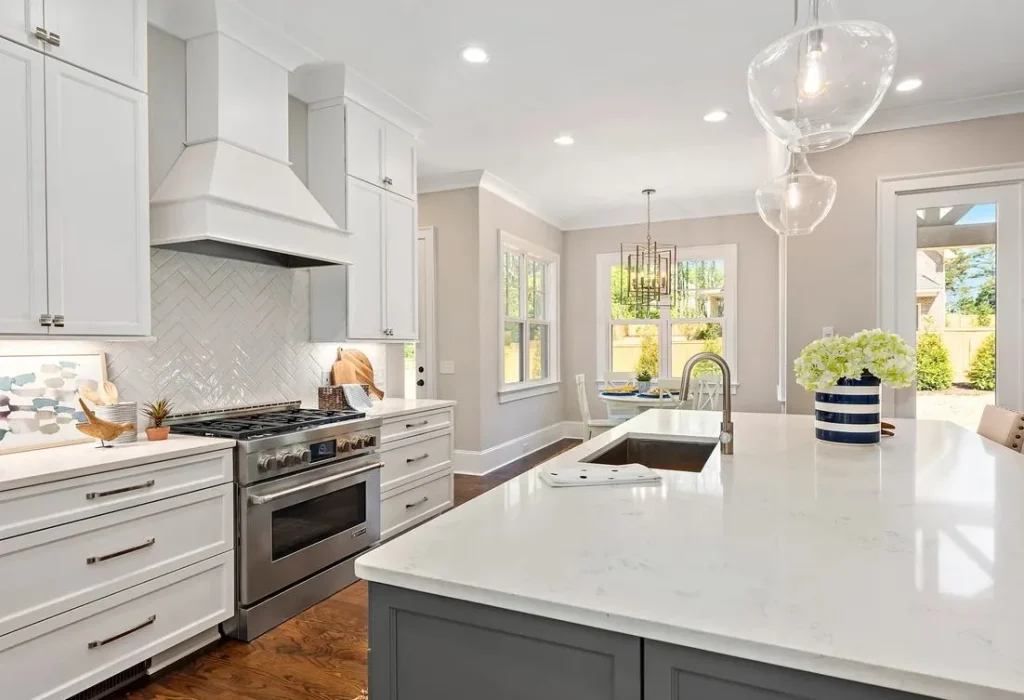
Marble countertops have a way of making any kitchen feel elegant and timeless, but figuring out how much they really cost can be tricky. Between choosing the right type of marble, paying for installation, and thinking about upkeep, the expenses quickly add up in ways many homeowners don’t expect. If you’re wondering what to budget or whether to tackle the project yourself or hire a pro, this guide breaks down all the key costs so you can plan with confidence.
The cost of installing marble countertops at home varies depending on factors such as marble type, slab quality, countertop size, and labor rates, but generally ranges from $50 to $150 per square foot, including materials and installation. It is important to factor in ongoing maintenance costs like sealing and potential restoration due to marble’s susceptibility to etching and staining, which can add to the long-term investment.
Cost Guide to Installing Marble Countertops at Home
Marble’s classic beauty is undeniable, but its installation involves several layers of cost that homeowners should anticipate carefully. The material itself generally runs from around $40 to $100 per square foot, depending largely on the type of marble, its grade, and its rarity. This range reflects variations in color, veining patterns, and finish quality.
For a typical kitchen spanning approximately 30 to 50 square feet, this means your marble alone could easily set you back from $1,200 up to $5,000 or more.
Installation is where the budget can expand further. Professional installation fees usually fall between $35 and $85 per square foot, reflecting not only labor but also the craftsmanship required to handle marble’s delicacy. Marble demands careful cutting and precise fitting, particularly if your kitchen design features sinks, cooktops, or faucets integrated into the slab. Complex edges like ogee or bevel profiles will add to labor time and cost.
If you decide to take on a DIY installation, keep in mind that while you can save significantly—often up to 30-50% compared to professional labor—you’ll need specialized tools and skill. Marble is unforgiving; mistakes such as chips or cracks during handling can be costly both emotionally and financially. Moreover, tools like wet saws with diamond blades are essential for clean cuts without damaging the stone.
Besides material and installation, other crucial costs deserve attention, as they directly affect durability and long-term satisfaction.
Sealing your marble countertop is indispensable. Marble’s porous nature makes it prone to stains and etching from acidic substances, so applying a high-quality sealant regularly—in some cases annually—is key to preserving its surface. Professional sealing usually costs about $3 to $5 per square foot, while DIY kits range from $20 to $50 for smaller projects but require thorough application techniques.
Additionally, edge finishing carries its own price tag: simple eased edges might cost less than $10 per linear foot, whereas fancy profiles climb closer to $30 per linear foot. These subtle details impact appearance and feel under your hands—an often overlooked factor until after installation.
| Expense Category | Cost Range (per sq ft) | Notes |
| Marble Material | $40 – $100 | Depends on type and source |
| Professional Installation | $35 – $85 | Complicated cuts increase cost |
| DIY Tools & Supplies | $20 – varies | Includes wet saw rental or purchase |
| Sealing (Professional) | $3 – $5 | Multiple coats recommended |
| Edge Finishing | $10 – $30 | Depends on edge style |
| Delivery Fees | $100 – $300 (flat rate) | Varies based on distance |
When all these costs combine, professionally installed marble countertops typically run between $75 and $185 per square foot total, including materials and labor. Thus, a 40-square-foot kitchen project might range from around $3,000 up to $7,400, before any additional customization or unforeseen expenses.
For those considering a do-it-yourself approach instead, expect savings but prepare for a steep learning curve. DIY projects may cost between $40 and $120 per square foot, factoring in both materials and tool acquisition or rentals.
“Marble offers timeless elegance but demands respect: know the full scope of costs before diving in.”
To best manage expenses and outcomes, always seek free estimates from reputable suppliers such as those found through trusted sources like North State Tile Design Center, and carefully compare pricing across local vendors. Also, ensure you budget for upkeep over time; polishing every few years maintains shine but adds another layer of investment.
Grasping these financial commitments provides a foundation for making wise choices when selecting your marble countertop. Understanding what shapes pricing draws us naturally toward examining the key elements that dictate these costs in detail.
Factors Influencing Marble Countertop Prices
One of the biggest factors affecting marble countertop costs is, naturally, the type of marble you choose. Marble comes in a stunning variety of patterns and qualities, each with its own market value.
The renowned Calacatta is often priced at the luxury end, averaging around $180 per square foot due to its rarity and bold veining that makes it highly sought after for upscale kitchens.
On the other hand, Carrara marble, appreciated for its softer gray veining and more classic look, tends to be more budget-friendly, hovering near $60 per square foot. Knowing exactly which marble suits your aesthetic and financial plans can help you avoid unexpected sticker shock.
Thickness further influences cost beyond just durability. A slab that’s 3 centimeters thick is sturdier and less prone to cracking, but it generally costs about 20% more than the slimmer 2-centimeter version.
This difference might seem marginal on paper, but when multiplied by your kitchen’s surface area, it adds up quickly. That thickness also affects how much weight your cabinetry must support, so sometimes thicker marble calls for kitchen reinforcements—an expense that often goes overlooked in initial budgeting.
The edges of your countertop bring another layer of complexity—and cost. Simple straight cuts keep expenses down, but popular edge profiles like bullnose or ogee not only enhance visual appeal but also typically add between $10 and $20 per linear foot.
Custom or ornate edges rack up even higher charges. It’s a good idea to balance style preferences with these additional fees since they impact the overall price proportionally to the length of your countertop perimeter.
Alongside these material considerations come various labor and installation costs that are equally essential to factor in when calculating your total investment.
Skilled craftsmanship is vital when working with marble since it requires precise cuts for fitting sinks, cooktops, and backsplash transitions seamlessly.
Labor rates often run between $35 and $45 per hour, with many installations demanding 8 to 12 hours depending on kitchen complexity—that translates to $350-$500 or more just in labor for straightforward projects.
Add potential costs such as removal of old countertops ($100-$800), delivery fees ($100-$500+), sealing ($3-$7 per square foot), and fabrication adjustments (like sink cutouts costing $100-$200).
These all weave into the final bill but are crucial to ensure both the appearance and longevity of your countertop.
Thinking about these variables together—marble type, slab thickness, edge detail, labor intensity—allows you to realistically estimate what lies ahead financially.
Most homeowners settle around $3,000 for a standard kitchen marble installation today, but whether you’re opting for a modest Carrara or lavish Calacatta Gold dramatically shifts that number.
“Understanding these cost drivers not only prepares you better but also empowers you to make choices that fit both your vision and budget.”
It’s a wise approach to request detailed quotes from reputable suppliers like North State Tile Design Center, which specializes in premium natural stone offerings.
We can guide you through material selection tailored to your style while providing realistic pricing estimates that include hidden fees such as edge treatments or fabrication modifications.
This transparency prevents surprises down the line and ensures your project proceeds smoothly.
With this understanding of what drives costs from raw material to finished installation, you’ll be ready to explore the finer details of how material choices and labor shape your overall investment.
Breakdown of Material and Labor Costs
When it comes to marble countertops, the cost starts predominantly with the marble slabs themselves. Priced typically between $40 and $100 per square foot, this range reflects differences in quality, color rarity, veining, and slab size.
For example, larger or uniquely patterned slabs command higher prices because they are rarer and require more careful quarrying and handling. The grade of the marble—with Grade A being top tier featuring minimal imperfections—also plays a direct role in pricing.
But acquiring the marble is only part of the picture. Once you have your slabs, skilled labor becomes essential. Installation specialists usually charge between $35 and $50 per hour, depending on location and expertise.
Their work involves measuring, cutting for sink or cooktop cutouts, fitting pieces precisely, and securing them properly. Sometimes installation bids include the removal of old countertops, but homeowners should confirm this detail, as it often requires a separate budget allocation.
Another cost that can catch some by surprise is fabrication—particularly the finishing touches like edge treatments. Edge profiles not only enhance your countertop’s aesthetic but also influence durability and safety.
Prices for these edge finishes range from $10 to $20 per linear foot, depending on how intricate or thick the design is. Even simple beveled edges will add to the overall expenses compared to leaving raw edges unfinished.
Then there’s sealing—a vital yet often overlooked cost. Marble is porous, so sealing helps prevent staining and damage from liquids like oils or acidic foods. Most professionals charge around $1 to $2 per square foot for this protective layer.
This might seem small relative to other charges, but it is necessary to prolong both the appearance and function of your countertop over time.
| Cost Component | Approximate Price Range |
| Marble Slabs | $40 – $100 per square foot |
| Labor (Per Hour) | $35 – $50 |
| Fabrication (Edge Treatment) | $10 – $20 per linear foot |
| Sealing | $1 – $2 per square foot |
| Haul Away/Disposal | $200 – $500 |
Speaking of unexpected charges, don’t forget haul-away or disposal fees for your old countertops—these can range between $200 and $500 depending on weight, location, and disposal requirements.
Many homeowners overlook this during budgeting, but it can substantially impact your total costs.
Having laid out these essential components of price, understanding your options for installation sets the stage for weighing whether to roll up your sleeves or hire expert help.
DIY vs. Professional Installation
Choosing to install your marble countertops yourself can be an appealing way to save money, often as much as 50 to 60 percent compared to hiring professionals. You’ll only pay for materials, sealants, tools, and maybe a tool rental or two. This route lets you control the project timeline and work at your own pace, which is especially enticing if you enjoy hands-on home improvement projects.
However, marble isn’t just any countertop material; it’s heavy, fragile, and unforgiving. One misstep while measuring, cutting, or handling can lead to costly chips, cracks, or uneven seams that compromise both appearance and function. Based on consumer reports, DIYers face a 15-25% chance of damaging slabs during installation—a risk that’s hard to ignore.
Beyond the physical risks, the learning curve on correctly cutting marble to fit sinks or backsplashes can be steep without professional-grade wet saws and polishing tools. Renting these specialty tools adds to your costs and requires practice to use safely and effectively.
Plus, since marble demands precise sealing post-installation with multiple coats for lasting protection against stains and etching, missing any detail could shorten the lifespan of your beautiful surface.
On the other hand, opting for professional installation raises costs but eases many potential headaches.
Hiring skilled installers brings a level of craftsmanship and experience that ensures exact measurements, perfect cuts, and seamless fitting. Professionals know how to handle marble delicately and are insured against accidental damage—a critical safety net most DIYers lack.
Installation timelines shrink dramatically; what might take you several days can often be completed by pros in one or two. They also manage the disposal of old countertops and clean up efficiently.
Many homeowners report feeling confident and satisfied with their investment after professional installation, appreciating not only the flawless finish but also the warranties covering labor and workmanship for up to five years.
For those facing limited time or worried about mistakes that could cost thousands in repairs or replacement, professional installation offers peace of mind that often justifies the added expense.
| Aspect | DIY Installation | Professional Installation |
| Cost Savings | Saves 20-40%, but risk of damages | Higher upfront cost |
| Risk of Damage | 15-25% chance of chipping/cracking | Low due to expertise and insurance |
| Time Required | 2-4 days for 100 sq ft | 1-2 days for 100 sq ft |
| Tools Needed | Wet saw, polishing tools (rentals $50-$150/day) | Included/owned by installers |
| Warranty | None | 1-5 years labor and installation warranty |
| Cleanup & Disposal | Responsibility of homeowner | Included in service |
Careful consideration between DIY and professional routes naturally leads into how best to estimate your costs and maximize your budget throughout the process.
Budgeting: Estimating and Saving Tips
Budgeting for marble countertops involves more than just picking a slab you like and hiring someone to put it in. The total cost hinges on several factors—starting with the type of marble you choose.
For example, budget-conscious homeowners might lean toward Carrara marble with its soft gray veins, which falls on the lower end of the price spectrum, whereas those eyeing luxury often select Calacatta, known for its striking veining but commanding premium prices.
Thickness and finish also play into cost; thicker slabs are pricier but last longer and look more substantial, while honed finishes might require more upkeep, adding to your long-term expenditure.
To get a reliable number early on, it’s wise to use an online cost calculator tailored to marble countertop projects. These tools let you input specifics like square footage, the marble variety, finish preferences, and complexity of installation.
The result is a personalized estimate that helps prevent surprises down the road. This upfront clarity allows you to identify which choices will stretch your budget and where compromises can be made without sacrificing quality or aesthetic appeal.
Now, addressing savings strategically can make a meaningful difference in your final bill. One practical tip is to reuse your existing cabinets if they’re still in good shape.
Tearing out cabinetry not only increases labor costs but can also extend your timeline unnecessarily. Installing marble countertops directly onto well-maintained cabinets keeps both material and craftsmanship dollars intact.
- Reuse Existing Cabinets: Avoid extra demolition and construction fees by keeping cabinets in place.
- Source Locally: Local suppliers cut transportation costs significantly, since marble slabs are heavy and fragile—shipping marks up the price quickly.
- Off-Season Discounts: Plan purchases during slower periods like late fall through early spring when contractors often offer reduced rates or promotions to fill their schedules.
Considering these tips turns budgeting from a source of stress into a manageable part of the process. And it’s not just about cutting corners; it’s about making informed decisions that respect both your vision and wallet.
Being mindful of costs while having a clear strategy sets the stage for a project where creativity meets practicality. This careful preparation naturally sets you up for expert guidance and useful pointers ahead on how to handle your marble countertop installation smoothly.
Practical Advice for Your Marble Countertop Project
When it comes to marble countertops, the path from selecting your slab to enjoying its beauty in your kitchen hinges on more than just price. One of the first practical realities many DIYers or homeowners overlook is ensuring the foundation—your cabinetry—is prepared to handle marble’s considerable weight. Marble slabs can weigh two to three times more than standard laminate surfaces, and without sturdy support, you risk damage not only to your cabinets but also to your entire installation. Reinforcing with additional framing or opting for a professional evaluation is a small upfront investment that saves expensive corrections later.
The installation process demands precise measurements and careful handling because marble is unforgiving when it comes to mistakes. Unlike synthetic materials, marble can chip or crack if dropped or improperly supported during cutting and fitting. For many, hiring professionals pays off—they bring specialized tools like wet saws with diamond blades and a practiced eye for edge profiling that balances aesthetics with durability. But if you’re considering a DIY approach, investing in these tools and learning safe techniques is critical. Failure to do so may result in costly waste or an uneven finish that undermines your kitchen’s elegance.
Once installed, however, the real work begins: maintaining your marble’s pristine condition. Marble requires consistent care because it’s softer and more porous than granite or quartz. It readily absorbs oils, acids, and spills, which can etch or stain the surface if left unattended. Using pH-neutral cleaners designed for natural stone and wiping spills immediately are habits that protect your investment daily. Furthermore, sealing your countertops every six to twelve months with high-quality sealants like Drytreat creates an invisible barrier against stains and moisture intrusion. This simple ritual extends the life and beauty of your marble far beyond what casual cleaning alone achieves.
For those who embrace the character of natural stone, understand that some wear—like subtle scratches or a slight patina—is part of marble’s story. In fact, in European traditions, this evolving look is valued as a sign of authenticity rather than flawlessness. Yet, if you prefer a showroom-fresh shine at all times, you might need periodic polishing or professional restoration services. These touch-ups typically cost about $1,200 per day but can often be limited to minor etch removal completed within hours, preserving your countertop without breaking your budget.
A well-maintained marble surface adds tremendous value—not just visually but also in resale terms—as long as it remains cared for properly over time. Avoiding acidic cleaners like vinegar or lemon juice is crucial because they cause irreversible chemical changes beneath the surface. Instead, think of maintenance as a gentle handshake between you and your countertop: respectful treatment keeps both satisfied.
You’ll also want to factor in edge detailing as part of practical planning. Profiles such as beveled or bullnose add style but affect installation complexity and cost—usually an extra $10 to $30 per linear foot. Deciding early helps contractors provide accurate estimates and prevents surprises.
Lastly, be realistic about contingencies—unexpected issues during the removal of old countertops or unforeseen structural needs can add 10-15% more to your budget. Planning for this ensures smoother progress and less stress.
By approaching your marble countertop project with these grounded tips and ongoing care rituals in mind, you position yourself not only to enjoy stunning surfaces but also a lasting investment that transforms your kitchen into a timeless showpiece.
Transforming your kitchen with marble countertops is a major investment, and choosing the right materials and installation partner makes all the difference. For Charlotte homeowners looking to elevate their space with expert kitchen tile and flooring design, marble countertop installation, or quartz and porcelain options. Visit our Charlotte tile and flooring design center or call us today to compare materials, explore design ideas, and get a personalized estimate for your project.