
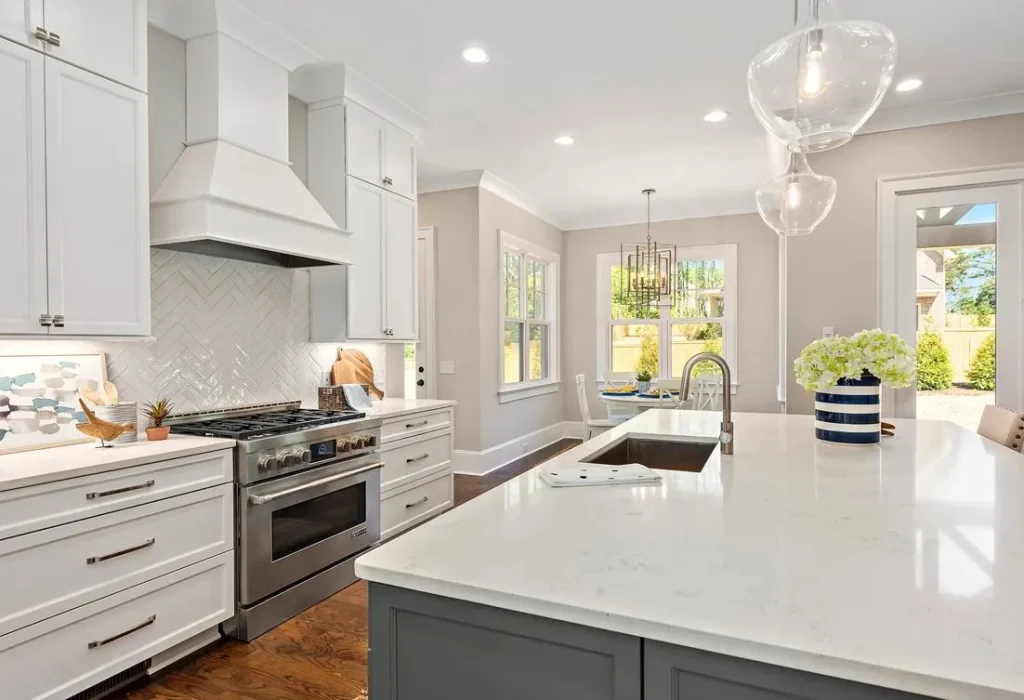
Choosing the right countertops can feel overwhelming, especially with so many options out there. When it comes to popular choices like marble and quartz, it’s not just about looks—there are important factors like durability, maintenance, and costs to think about. Whether you’re dreaming of a classic marble slab that brings timeless elegance to your kitchen or considering the sleek, low-maintenance quartz for a modern vibe, understanding the pros and cons of each can help simplify your decision. So, let’s dive into what makes these two materials stand out and which one might be perfect for your home.
When choosing between marble and quartz countertops, consider factors such as durability, maintenance requirements, aesthetic appeal, and cost. Marble offers a unique natural beauty but is more porous and requires regular sealing, while quartz provides greater durability and is non-porous, requiring less maintenance, making it ideal for high-use areas like kitchens.
Marble vs. Quartz: The Basics
Marble is a natural stone formed from metamorphic rock. This transformation occurs under immense heat and pressure, giving rise to the stunning variations in color and veining you see. Renowned for its ethereal beauty, marble has been celebrated for centuries, gracing structures like the Parthenon and sculptures by legendary artists such as Michelangelo.
The distinct swirls and patterns in each slab create a truly unique aesthetic—no two pieces are exactly alike, making every installation a work of art in itself.
However, this beauty comes at a cost. Marble is a porous material, which means it can absorb stains from oils, liquids, and other substances if not properly sealed. Homeowners must be mindful to maintain marble surfaces, applying a sealant every six to twelve months to protect against stains—a task that requires consistency and diligence. Despite this maintenance issue, marble remains an attractive choice due to its elegance and luxurious feel.
Quartz
In contrast, quartz countertops are an engineered stone blend made by grinding natural quartz crystals and combining them with resin and pigments. This process produces a non-porous material that stands up well against spills, stains, and bacteria.
Because quartz is manufactured, it can be created with consistency in colors and patterns, allowing for a sleek appearance that appeals to many homeowners who desire modernity in their design.
Not needing sealing means that maintaining quartz is straightforward; typically, all it takes is soap and water to keep your countertops looking pristine. Additionally, since it is stronger than marble—boasting a Mohs hardness rating of 7—quartz countertops resist chipping and scratching better than their natural counterpart. This resilience makes quartz a favorite among busy families or those who use their kitchens frequently.
With these insights into the fundamental differences between marble and quartz established, it’s essential also to consider how these materials enhance the overall design aesthetic before making your choice.
Aesthetic Appeal: Marble vs. Quartz
Marble embodies a timeless elegance that has captivated architects and designers for centuries. Each slab boasts its unique veining and color variations, from classic whites with gray marbling to rich greens and burgundies. This natural beauty creates an artistic element in any space, effectively becoming the centerpiece of kitchens and bathrooms alike. The luxurious appearance of marble can instantly elevate your decor, adding depth and sophistication.
As one homeowner beautifully stated, “Our marble countertops add a depth and elegance to our kitchen that quartz couldn’t replicate.” The variability found in every piece adds a personal touch that many homeowners truly appreciate; you won’t find duplicates among marble slabs.
However, if you’re someone who enjoys a broader color palette or modern aesthetics, quartz might be the right fit for you.
Unique Beauty of Marble
The beauty of marble lies in its organic imperfections—each mark and swirl tells a story. Because it originates from metamorphic rock, it offers textures and visual depth that you simply won’t achieve with synthetic materials. Homeowners often find that the depth provided by the translucent quality of polished marble enhances its natural allure.
Though some individuals might shy away from marble due to concerns about staining or maintenance, its opulent look often outweighs those worries for those who prioritize style above all else. It’s essential to note that while marble may be viewed as more aesthetically superior in traditional design circles, it also demands specific care during cleaning and maintenance to keep its luster intact. This adds another layer of consideration for homeowners who want functionality alongside beauty.
Consistent and Versatile Quartz
In contrast to marble, quartz offers a fresh and contemporary feel. Being an engineered stone, quartz can deliver a broad spectrum of colors and finishes, presenting options ranging from soft pastels to bold, eye-catching hues. This versatility grants homeowners the flexibility to choose surfaces that fit seamlessly into a modern aesthetic. For instance, minimalistic designs benefit tremendously from the clean lines and uniformity of quartz, minimizing visual distractions while maximizing style.
Moreover, because quartz is produced through controlled processes, there is less variation between slabs compared to natural stone. This consistency makes it easier to align seams for larger installations—an appealing feature for many homeowners looking for long-lasting durability without sacrificing style. Whether mimicking the intricate looks of natural stone like granite or providing chic, solid color options, quartz abides by modern design trends effectively.
Both materials exhibit distinctive aesthetics; exploring their strengths in durability and upkeep will clarify which option aligns best with your vision for your space.
Durability and Maintenance
A countertop must not only look good but also stand the test of time in a kitchen or bathroom environment. This is where the differences between marble and quartz become particularly pronounced.
Durability Factor
While marble is celebrated for its stunning, luxurious appearance and notable heat resistance, it comes with vulnerabilities that shouldn’t be overlooked. It is prone to scratches and stains, especially when exposed to acidic substances like lemon juice or vinegar. Imagine preparing a vibrant salad; if a bit of dressing accidentally drips, you might come away with an unpleasant stain that can be daunting to repair. Regular use can lead to wear, making marble less ideal for high-traffic areas like kitchens, where spills and knife marks are common.
Some homeowners argue that imperfections add character to the stone, creating a unique patina over time. However, this perspective may not resonate with those who seek perfection, especially in spaces that see daily use.
In contrast, quartz boasts exceptional durability. Engineered from crushed stone combined with resin, this material forms a non-porous surface that resists staining and is far less likely to chip or crack compared to marble. Its resilience is like having a trusty companion in the kitchen—always ready for whatever culinary adventure you have planned.
Maintenance Requirements
Turning to maintenance, marble requires commitment to keep it looking its best. Resealing every six months is essential to maintain both its appearance and protect it from potential stains that can mar its beauty. For minor scratches that occur over time, color-matched epoxy can provide an effective solution; however, deeper cracks often necessitate professional repair services that can incur additional costs.
This brings us to a quick guideline for marble owners:
- Resealing: Bi-annual
- Scratch Repair: As needed
- Cleaning: Mild soap and water
On the flip side, quartz offers a remarkably low-maintenance alternative. With no need for sealing, cleaning simply involves using mild soap and water. This means less time worrying about upkeep and more time enjoying your space—whether you’re whipping up gourmet meals or simply enjoying a quiet breakfast.
Given these insights into durability and maintenance requirements, we should now consider how the costs associated with each material influence your final decision.
Cost Considerations: Installation and Beyond
Cost is often the deciding factor when choosing between marble and quartz countertops. Understanding both upfront and long-term expenses for each material can guide you towards a choice that aligns with your aesthetic desires and financial practicality.
Up-front Costs
The price for marble typically ranges from $100 to $200 per square foot installed, highly influenced by its quality and type. For instance, exotic varieties like Calacatta marble can significantly elevate this base cost due to their unique veining and rarity.
Meanwhile, quartz generally has a cost range from $115 to $200 per square foot installed. While this may make it seem pricier at first glance, the difference isn’t as wide as one would think, especially when considering the unique benefits it offers.
Long-term Costs
When you dive deeper into long-term maintenance costs, quartz stands out beautifully, requiring no regular sealing or special care to keep it looking fresh. This not only saves you time but also means fewer unexpected expenses down the road.
In contrast, marble demands consistent sealing—often once a year—to retain its glory and prevent stains, which adds layers of expense over time.
Picture this: A homeowner falls in love with stunning marble countertops only to find themselves shelling out money for ongoing maintenance every year, which inevitably chips away at their budget. On the flip side, opting for quartz could lead to significant savings in upkeep costs.
This subtle yet vital distinction points towards the economic nature of quartz over time. By investing initially in quartz, not only are you looking at comparable installation costs, but you’re setting yourself up for fewer surprises later on that could inflate your overall budget.
With a solid understanding of the cost implications behind each option, we can shift our focus towards evaluating the specific advantages and disadvantages that marble brings to the table.
Pros and Cons of Marble
Weighing the benefits and drawbacks of marble is essential to making an informed decision regarding your countertops. Marble’s elegant appearance remains one of its biggest draws. Many people are captivated by the unique veining and rich colors that can elevate any kitchen or bathroom decor. Those who favor natural materials often rave about how marble brings a sense of luxury to their homes. It’s hard to deny that when guests see marble countertops, they often make immediate positive remarks; it holds a place in the heart of home aesthetics.
Furthermore, marble offers exceptional heat resistance, allowing hot pots or pans to rest on its surface without consequence, which is attractive for those who love to cook. The durability of marble adds another layer of appeal, as it can withstand normal wear and tear quite well—this longevity can contribute to increased real estate value over time.
However, it’s important to assess not just the appealing aspects but also the realities associated with owning marble.
Cons
The porous nature of marble poses challenges that potential buyers must acknowledge. While it looks stunning, this quality makes it susceptible to staining if not properly sealed. Without regular sealing—usually recommended every six months—liquids like coffee or wine can seep into the stone, leaving unsightly marks that may be difficult to remove.
For instance, a few drops of lemon juice can leave an etch mark on the surface, requiring careful handling while preparing food. One unfortunate incident involved a friend who splattered a bit of balsamic vinegar while cooking dinner; unfortunately, she later found herself dealing with an overlooked stain that marred her beautiful countertop. Good maintenance habits are not just advised—they are essential.
You might find yourself asking whether these drawbacks outweigh marble’s visually striking qualities. For some homeowners, embracing the patina and subtleties of aging marble becomes a cherished part of its character. Those willing to invest time and effort into maintenance will likely find it well worth it for the aesthetic contributions that marble provides.
Understanding both sides equips you to make a more informed choice for your living space as you consider introducing marble into your home.
As we explore further, it’s essential to shift our focus toward another material that’s gaining traction in countertop choices—one that boasts its own set of pros and cons.
Pros and Cons of Quartz
Evaluating the strengths and weaknesses of quartz countertops can help clarify whether it meets your needs.
Pros
One of the most significant advantages of quartz countertops is their non-porous nature. This means they resist staining far better than many natural stones, including marble, making them an extremely practical choice for busy kitchens or bathrooms.
Imagine hosting a family gathering where someone drops a glass of wine on your countertop; with quartz, you can simply wipe it clean without worrying about permanent discoloration.
Additionally, quartz countertops boast impressive durability. They can last 25 years or more with proper care, offering long-term value despite their higher initial cost. A happy homeowner shared, “Ever since we switched to quartz, kitchen clean-ups have been a breeze!” This highlights how daily maintenance becomes a mere fraction of what it would require with materials like granite or marble.
Uniformity in appearance is another highly attractive feature. Unlike natural stones that display unique variations and veining, quartz offers a consistent look across its surface, making it particularly appealing for modern design aesthetics. This consistency allows homeowners to choose colors and patterns that fit seamlessly into their interior design plans—perfect for creating that sleek, polished finish in any room.
Cons
On the flip side, it’s important to recognize the drawbacks as well. While quartz is heat-resistant, it doesn’t perform as well under extreme temperatures compared to some natural stones like marble. Leaving a hot pot directly on its surface could lead to discoloration, which is why using trivets is always recommended—a simple precaution that minimizes risk.
Another concern potential buyers might face focuses on aesthetics: larger installations may reveal seams where the slabs meet. These seams can detract from the overall design if not positioned correctly. Despite improvements in modern manufacturing techniques, visibility can vary depending on the color and pattern chosen.
However, many homeowners find that these minor drawbacks don’t overshadow the numerous benefits of quartz. The ease of maintenance alone can become a decisive factor for those leading busy lives—saving time on upkeep allows for more focus on enjoying what’s really important: time spent with family and friends around that gorgeous countertop.
With all these factors laid out for you, evaluating which elements resonate most will empower you to make an informed, confident choice between marble and quartz for your countertops.
Whether you’re planning a full kitchen redesign or simply looking to refresh your space, choosing the right countertop material is an important part of the process. At North State Tile Design Center, we specialize in helping homeowners bring their kitchen visions to life through expert kitchen design services and a curated selection of premium tiles to complement any style. Visit our showroom to explore our wide range of tile options and get professional design guidance to create a space that’s both functional and beautiful.