
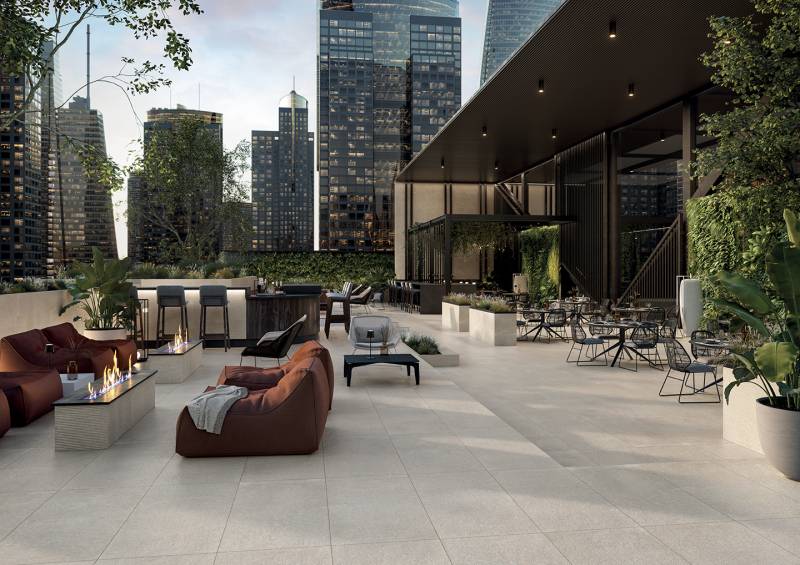
Creating a beautiful outdoor space shouldn’t come at the expense of the environment. As more homeowners seek to embrace sustainability, eco-friendly hardscaping has become an impactful way to enjoy nature while also caring for it. Picture your backyard not only as a beautiful space, but as a vibrant ecosystem where every stone, paver, and plant plays a role in reducing waste and promoting healthy water flow. Embracing eco-friendly hardscape ideas enables you to design spaces that are not only functional but also contribute positively to the planet. Let’s explore some innovative materials and strategies that can transform your outdoor space into a sustainable oasis.
Some effective eco-friendly hardscape ideas include using pervious materials such as granitecrete or porous concrete, which allow water to infiltrate the ground and reduce runoff. Additionally, integrating permeable pavers or turfstone can provide drainage benefits while enhancing the aesthetic appeal of driveways, patios, and pathways, promoting sustainability in your outdoor spaces.
Sustainable Hardscaping Materials
The heart of eco-friendly outdoor spaces begins with the materials you choose. Selecting sustainable options enhances the beauty of your environment while contributing to a healthier planet. Using sustainable hardscape materials minimizes environmental impact and ensures that your installations withstand the test of time.
Examples of Sustainable Materials
Various sustainable materials offer unique advantages that cater to both aesthetic and functional needs. For instance, recycled concrete provides a robust alternative for patios and paths by repurposing broken concrete from old structures. This approach combats landfill waste and offers a resilient surface used in various landscaping features. Integrating this material helps reduce the carbon footprint associated with new concrete manufacturing.
Continuing with another practical choice, porous pavers made from recycled plastics enable water to penetrate through their surface, significantly reducing runoff and promoting soil health. They blend seamlessly into both modern and traditional landscapes, making them versatile for any homeowner’s design vision. Additionally, these pavers help replenish groundwater supplies by allowing rainwater to infiltrate back into the earth rather than overwhelming stormwater systems.
We also have natural stone, with options like granite or flagstone being highly durable and visually appealing. Sourcing these stones locally supports local economies and decreases transport emissions. When selecting natural stone, it’s essential to consider its long-lasting nature—many types can endure heavy traffic and harsh weather conditions for decades without losing their charm.
If you’re looking for an innovative option, bamboo stands out as an extraordinary renewable resource. Recognized for its rapid growth rate, bamboo is perfect for edging or decorative accents that bring a touch of nature into your hardscape design. Its sustainability stems not only from its growth rate but also from being incredibly strong yet lightweight, making it easier to work with compared to more conventional hardscaping materials.
| Material | Source | Environmental Benefit |
| Recycled Concrete | Demolition Sites | Reduced Landfill Waste |
| Porous Pavers | Recycled Plastics | Minimized Runoff |
| Natural Stone | Local Quarries | Lower Emissions from Transport |
| Bamboo | Fast-Growing Plant | Renewable Resource |
Understanding each material’s origin and benefits empowers homeowners to create thoughtful hardscapes that are functional while positively contributing to the overall ecosystem.
After selecting your preferred sustainable materials, the next step focuses on crafting spaces that effectively manage water flow—a crucial element for promoting environmental stewardship within your outdoor area.
Designing Permeable Pathways
Permeable pathways play a vital role in sustainable landscaping. They allow water to pass through, preventing runoff and promoting the natural replenishment of groundwater. When you set out to create such pathways, it’s crucial to follow each step methodically to achieve the best results.
Step I: Site Preparation
First up is site preparation. This involves clearing and leveling the pathway area, ensuring that there’s a slight slope for effective drainage. It’s important to consider the natural contours of your landscape—improper slope can lead to pooling water, negating the benefits of permeability. You want your pathway to blend seamlessly with its surroundings, avoiding sharp edges that don’t match the earth’s flow.
Once the site is prepared, you’re ready to move on to the base layer, a critical part of the process.
Step II: Base Layer Installation
The next step is laying down a base layer of coarse crushed rock. This material supports the weight of foot traffic while allowing water to move freely beneath it. Think of this as the skeleton of your pathway—it needs to be sturdy enough to endure regular use but flexible enough to accommodate water movement. As you pour in this crushed rock, make sure it’s evenly spread and compacted, creating a solid yet permeable foundation for what comes next.
With your base securely established, it’s time to introduce a crucial component that enhances functionality and longevity.
Step III: Add a Layer of Geotextile Fabric
Now we arrive at an essential element: geotextile fabric. This fabric acts as a barrier between the layers above and below while still allowing water to flow through. Its primary purpose is to prevent soil from clogging the drainage pathways. Without it, fine soil particles could migrate into your gravel or crushed stone base, leading to potential blockage over time. Personally, I’ve found that using this fabric can significantly extend the lifespan of permeable surfaces, making it a worthwhile investment.
After setting up the protective layers, it’s time for the visible part of your pathway—the pavers themselves.
Step IV: Install Permeable Pavers
Next is the installation of permeable pavers. These come in various styles and materials, but what matters most is their ability to allow water to flow through their joints. As you place each paver evenly along your prepared path, ensure there are tight joints between them. This precision contributes significantly to both appearance and function—gaps that are too wide can lead to instability and erode aesthetics over time.
Finally, the last touch can really polish off your project while enhancing permeability.
Step V: Infill with Gravel or Sand
The final step is infilling with gravel or coarse sand. Choose pea gravel or similar materials that match your design concept while ensuring they maintain high permeability between pavers. Filling in gaps not only provides stability but also adds an organic touch that complements natural landscaping. As you do this, keep in mind that you should be generous but not overstuffed—the goal is functionality without compromising aesthetics.
Incorporating other innovative elements can significantly elevate your outdoor environment, seamlessly blending sustainability with style.
Innovative Green Hardscape Ideas
Living walls and vertical gardens are truly a marriage of beauty and function in the modern landscape. These installations break the monotony of otherwise stark structures while elevating our outdoor environments with vibrant greenery. A living wall, also known as a vertical garden, is essentially a structure covered with live plants, elegantly supported by frames or containers that hold soil and moisture.
Imagine transforming a barren wall into a lush tapestry of foliage—each plant thriving together in a symbiotic relationship. Their myriad benefits extend far beyond mere aesthetics. In urban environments, where space is often at a premium, these green installations significantly contribute to air purification by filtering out toxins and improving overall air quality. They act like natural humidifiers, moderating indoor temperatures and reducing energy costs. Additionally, they provide sound insulation; the greenery absorbs noise pollution from busy streets or bustling neighborhoods.
For anyone interested in incorporating such a feature into their outdoor space, companies like GreenWall and EnviroSustain offer ready-made modular options. These products make installation remarkably straightforward while allowing for customization to suit various aesthetics or specific space limitations. This ensures you can choose plant species that thrive in your local climate, whether they be lush ferns or hardy succulents.
Choosing native plants enhances biodiversity in your area while making maintenance easier since those species are already adapted to the local environment.
To ensure success with living walls, consider factors like sunlight exposure, irrigation methods, and regular maintenance routines. While many systems come with built-in watering mechanisms to support plant health, understanding your chosen plants’ individual needs can further streamline the upkeep process. Whether you’re aiming for a serene setting with lavender and chamomile or opting for fragrant herbs like rosemary and chives for culinary adventures, the choices are plentiful.
Based on the concept of vertical gardening, let’s next explore additional eco-friendly alternatives that enhance both sustainability and beauty in your outdoor hardscape design.
Eco-Friendly Patios and Decks
Patios and decks serve as essential outdoor extensions of our living spaces, offering areas for relaxation and entertainment. When designed sustainably, these elements can play a significant role in reducing our environmental impact while enhancing our enjoyment of nature. It’s fascinating to realize that modern design has evolved so much; now, we have a wealth of eco-friendly materials that can keep both aesthetics and sustainability at the forefront.
Choices of Materials
One significant aspect of choosing materials centers around composite decking versus natural wood. Composite decking is often made from about 95% recycled materials, which includes reclaimed wood fibers combined with durable plastic. This means less waste in landfills and a deck that offers resilience for up to 25 years with minimal upkeep—only needing an occasional wash with soap and water. The joy of having a low-maintenance deck allows homeowners more time to relax and enjoy their outdoor spaces, rather than fret over maintenance issues.
On the other hand, natural wood provides an option for those who appreciate the organic look and feel of traditional materials. When sourced responsibly from FSC-certified forests, it supports sustainable forestry practices. Notably, woods like redwood or cedar are not only beautiful but also relatively low-maintenance compared to other woods. Importantly, natural wood options can be composted at the end of their lives, thereby ensuring they do not contribute to landfill buildup.
However, selecting materials is just the first consideration; creating engaging outdoor spaces proves equally essential to enhancing functionality.
Engaging Outdoor Spaces
The layout plays a crucial role in making patios and decks truly functional. Modern design trends favor multi-level structures that provide distinct zones for dining, lounging, and even cooking. Imagine stepping onto your deck: one level might host a cozy outdoor kitchen complete with weather-resistant cabinetry, while another level offers dining space under the stars. By separating these areas, you create more defined experiences for guests.
Moreover, integrating smart technology into outdoor design adds yet another layer of efficiency and enjoyment. For example, automated pergolas can adjust according to sunlight exposure, minimizing energy consumption by keeping shaded areas cool on hot days. Incorporating energy-efficient LED lighting systems along pathways ensures safety while adding ambiance during evening gatherings.
When planning your patio or deck layout, consider how traffic flows between areas. Ensure smooth transitions so people can freely move from space to space without disrupting those seated or cooking. The goal should be a harmonious blend of design that allows both beauty and ease of use, turning your outdoor area into a go-to spot for family and friends.
By thoughtfully considering material choices and functional layouts, these eco-friendly patios and decks contribute significantly to sustainable living while enhancing your outdoor experience. This careful planning paves the way for exploring additional advantages tied to sustainable design choices.
Benefits of Sustainable Designs
Sustainable designs are not just beneficial for the environment but also offer numerous advantages. They enhance the functionality of outdoor spaces while promoting ecological health. For instance, integrating permeable paving materials allows water to infiltrate into the ground, helping recharge groundwater and mitigating the risk of flooding by effectively managing stormwater runoff. This means you can enjoy a beautiful patio or garden path while actively participating in water conservation efforts.
Key Benefits
- Reduced Heat Island Effect: Urban areas often suffer from elevated temperatures due to extensive paved surfaces—this is known as the heat island effect. Using materials like light-colored pavers, along with natural elements such as trees and greenery, can keep city environments cooler, enhancing comfort and reducing energy consumption for cooling. Slowing down heat absorption during summer months creates a more pleasant outdoor space while lowering energy bills.
- Water Conservation: Choosing permeable hardscape goes beyond beautifying your yard; it’s an eco-friendly choice that benefits the planet. These surfaces allow rainwater to seep through, replenishing groundwater supplies instead of pooling and creating runoff. Incorporating native plants that thrive in local climates also cuts down on additional water usage—these plants require less irrigation since they are adapted to existing weather patterns.
- Maintenance Savings: One understated joy of using sustainable materials is their lower maintenance demand on homeowners. High-quality porcelain pavers resist stains and withstand harsh weather, providing long-lasting performance with minimal upkeep. Imagine spending less time scrubbing and repairing cracked surfaces; instead, you can focus on enjoying your outdoor oasis with family and friends.
One way to maximize these benefits is by thoughtfully integrating plants into your hardscape design. Vegetation enhances aesthetic appeal and further contributes to sustainability by enriching soil health and creating habitats for wildlife.
Integrating Plants with Hardscape
The interplay of natural foliage alongside hardscape elements does wonders for creating a balanced and inviting environment. When you introduce greenery into your outdoor designs, you’re not only enhancing aesthetics; you’re actively promoting ecological sustainability as well.
For instance, consider Turfstone Pavers. These unique pavers allow grass to grow through their openings, preserving the beauty of nature while providing the durability necessary for heavy foot traffic. This combo not only looks great but also promotes biodiversity and helps manage stormwater runoff effectively.
Another inventive way to blend plants with hardscaping is by incorporating planter boxes. Picture this: a cozy patio adorned with vibrant flowers spilling over from beautifully designed boxes. Not only do these add visual interest, but they also offer an easy way to introduce seasonal blooms or herbs right into your outdoor oasis. Planter boxes can be strategically placed around seating areas or walkways, bringing life and charm without sacrificing functionality.
Installing green roofs on structures like pergolas or gazebos could be a game-changer for your home. These living roofs not only offer additional insulation to any shelter beneath them but also provide much-needed habitats for wildlife as well. Imagine sitting under a leafy canopy during a sunny afternoon—a perfect blend of comfort and sustainability.
Beyond aesthetics, combining plants with hardscaping can lead to ecological benefits that are often underestimated. Native plants, for example, require 50% less water than non-native species, making them excellent companions for patios and pathways. They facilitate rainwater absorption and echo the local ecosystem, helping sustain local wildlife.
Moreover, when integrated thoughtfully into your hardscape design, plants improve soil health and can enhance its moisture retention by up to 30%.
In addition to the functional aspects and visual appeal, there’s an undeniable economic benefit tied to integrating vegetation in hardscape. Properties that incorporate diverse planting strategies see an increase in property value of about 15-20%. The strategic placement of burgeoning green spaces adds not just beauty but enhances curb appeal significantly—making it an attractive investment.
By embracing these eco-friendly practices, you’re not only contributing to the planet’s well-being but also creating a stunning outdoor setting that’s uniquely yours.
To explore more sustainable materials and design ideas specifically tailored for your projects, check out North State Tile Design Center, where innovation meets artistry in outdoor design.
When you prioritize eco-friendly designs in your outdoor spaces, you not only increase property value but also promote environmental health. Ready to upgrade your home with sustainable tile and flooring? Visit our Charlotte or Lake Norman showroom or call (704) 525-5566.