
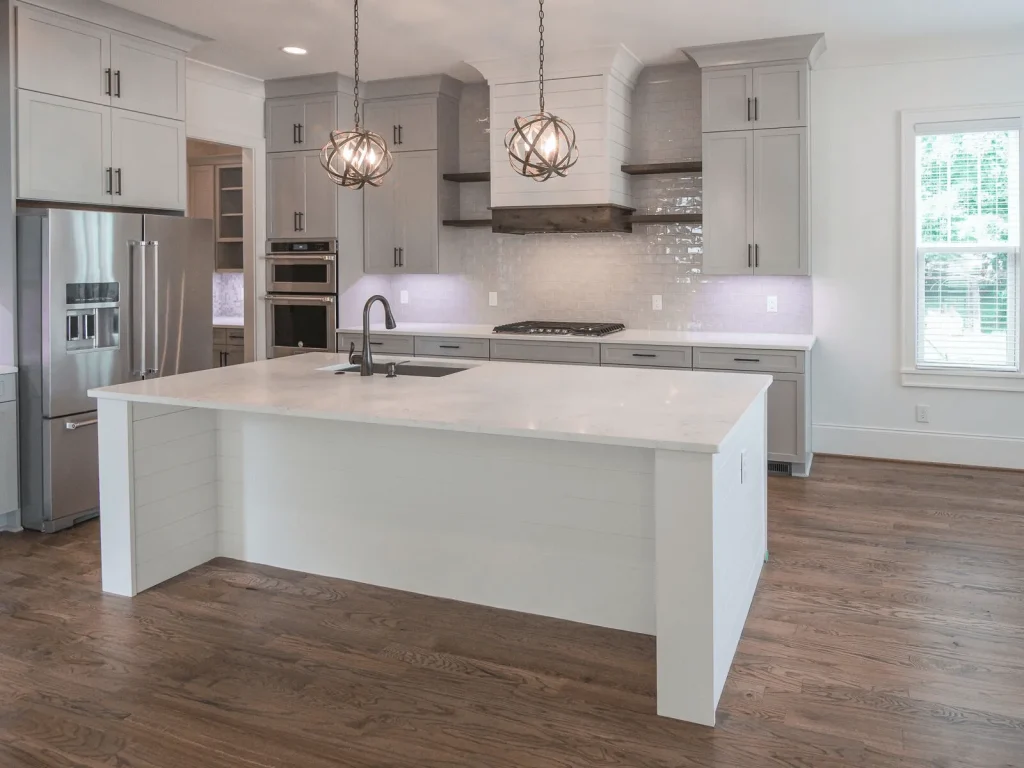
Choosing the right combination of countertops and flooring can feel like solving a puzzle. How do you get everything to look good together without making your kitchen feel boring or too busy? It’s more than just picking materials you like; it’s about making sure they work well side by side, blending colors, textures, and styles in a way that feels natural and inviting. The good news is, with some thoughtful planning, your kitchen surfaces can tell a story that’s both stylish and lived-in, reflecting what matters most to you every day.
Creative combinations of countertops and flooring involve balancing contrast and harmony by pairing materials that complement each other without matching exactly, for example, white quartz countertops with warm wood-tone floors create visual interest while maintaining cohesion. Incorporating accent colors through backsplashes or hardware adds personality, and selecting durable surfaces like engineered quartz ensures longevity alongside aesthetic appeal, making your kitchen both functional and beautiful.
Inspiring Kitchen Design Ideas
When it comes to crafting a kitchen that stands out, combining countertops and flooring thoughtfully can transform the entire space. Take the industrial chic approach, for example. Concrete countertops paired with polished concrete floors create a sleek foundation that’s both minimalist and texturally rich. The cool, urban vibe of raw concrete lends itself beautifully to modern appliances in stainless steel, grounding the aesthetic firmly in contemporary design without sacrificing warmth. This unity between surface and floor makes the kitchen feel intentional, not haphazard.
To avoid a sterile or too harsh feeling in an industrial kitchen, layering soft textiles, like a plush rug near the cooking area, adds an inviting tactile contrast. It’s often these subtleties that shift a kitchen from “cold loft” to “lived-in comfort.” While polished concrete delivers durability and style underfoot, mixing in an accent tile pattern around key zones can inject energy and define spaces without clutter.
Shifting gears, kitchens embodying warm rustic charm dive into natural wood in all its forms.
Pairing rich butcher block countertops with reclaimed wood flooring brings a layered sense of history and soul to a space. These materials, steeped in timeless appeal, naturally evoke cozy retreats nestled in forested cabins or renovated barns. Yet this look doesn’t have to feel stuck in the past. Homeowners like Jane from Asheville often combine these wooden textures with contemporary lighting or modern hardware to keep the room fresh. It’s this balance between old-world materiality and current design that makes warm rustic kitchens so captivating.
Butcher block counters offer more than beauty; they provide a functional work surface that ages gracefully with use, developing character marks unique to your kitchen’s story. Meanwhile, reclaimed flooring adds depth through varied plank widths or subtle imperfections, hinting at its previous life. Together, they tell a narrative of sustainability and craftsmanship without overwhelming the senses.
For lovers of simplicity tuned up for today’s lifestyles, modern minimalist kitchens deliver an uncluttered yet inviting canvas.
Here, bright white quartz countertops paired with light bamboo flooring masterfully blur boundaries between a functional workspace and a serene living area. The clean lines emphasize openness, while bamboo’s subtle grain injects warmth, perfect for open-concept homes seeking effortless flow. This pairing supports minimalist ideals but won’t feel cold or clinical because natural flooring trends now favor softer matte finishes over high gloss.
Additionally, quartz surfaces made with advanced technologies like Cosentino’s Eclos utilize sustainability combined with striking visuals that resist stains and scratches, ideal for family kitchens where everyday life demands resilience without compromising elegance. Choosing flooring with those same durable qualities ensures longevity throughout busy seasons in the home.
These combinations exemplify how mixing materials thoughtfully, whether concrete’s strength, wood’s story-filled texture, or bamboo’s sustainable beauty, can build a kitchen environment that’s dynamic yet timeless. The secret lies not just in what you select but how each piece harmonizes within your lifestyle and personal taste.
When planning your next kitchen refresh or remodel, consider which narrative speaks most to you and then explore how countertops and floors can co-create that story seamlessly. The result is a space that feels uniquely yours, a blend of visual interest and everyday practicality grounded by premium materials from trusted suppliers like North State Tile Design Center, who understand both design trends and lasting quality.
Understanding how colors and textures interplay across surfaces is essential in shaping these narratives further. Exploring palettes that unify or contrast can elevate your kitchen’s ambiance beyond form alone.
Matching Colors and Textures
At the heart of modern design lies the idea of balance, not just in shapes or layout, but in the very surfaces that we touch and see every day. When matching countertops and flooring, think of them as partners in a dance: they should complement each other’s moves without stealing the spotlight. This starts with selecting colors that either contrast boldly or blend softly, depending on the mood you want to create.
For example, dark cabinetry paired with lighter floors and countertops naturally catches the eye. This contrast ensures each material stands out while preventing the overall palette from feeling heavy or monotonous. It’s like giving your kitchen room to breathe, letting light reflect freely across surfaces, enhancing the sense of spaciousness. Conversely, opting for tones within the same color family, think warm beiges matched with rich mahogany, lends an understated elegance that feels both inviting and sophisticated.
But color is only one side of the story; texture plays an equally vital role in shaping atmosphere.
When you run your fingers over a glossy marble countertop and then across matte ceramic floor tiles, you’re experiencing a dialogue between finishes. Glossy surfaces catch light and drama, bringing a sleek modern flair, while matte textures absorb it, grounding the space with softness. This push-and-pull injects visual interest without overwhelming your senses. Creating such nuanced contrast through texture layers depth into your rooms, making them feel alive instead of flat.
Paying attention to texture also helps hide everyday wear and tear, matte finishes can better mask scuffs on floors, whereas polished counters feel easier to wipe clean but might show smudges more vividly. The practical benefits here align perfectly with style choices and reinforce longevity. So when picking materials, consider not only how they look together but also how they’ll feel day to day underfoot and at arm’s reach.
Integrating current color trends like Transformative Teal or Amber (Burnt Caramel) adds another dimension to this balance. Tiles in these vibrant hues lend durable appeal underfoot or on your backsplash, acting as statement elements couched between subtler countertop shades such as ice blue or warm beige quartz. The result is a layered palette that feels fresh yet timeless, a perfect way to embrace 2026’s trend-forward interiors while protecting your investment.
Thoughtful pairing of color with complementary texture transforms simple functional elements into cohesive artistry, a space where your kitchen becomes more than just a place to cook but a living part of your home’s personality.
“A well-chosen combination of color and texture isn’t just decoration, it’s the foundation of memorable interior experiences.”
Understanding how colors and textures interact leads naturally into mastering materials themselves, the next step where durability meets design vision in crafting your perfect modern home environment.
Selecting the Right Materials
When choosing materials for countertops and flooring, durability and aesthetics must work hand in hand. For countertops, granite and quartz stand out as favorites among homeowners who want something that not only looks luxurious but also withstands daily wear. Granite’s natural stone pattern offers timeless elegance, while quartz combines beauty with engineered resilience, resisting stains, scratches, and heat with minimal upkeep.
On the flooring side, ceramic or porcelain tiles complement these countertops well because they mirror this toughness. These tiles are ideal in high-traffic areas, holding up under heavy use without sacrificing style or ease of cleaning.
Of course, not everyone’s renovation budget can stretch to premium stone surfaces or expansive tile floors. That’s where more affordable options come into play without compromising too much on appearance. Laminate countertops have evolved far beyond their reputation as cheap alternatives; modern laminates boast rich textures and patterns that can convincingly mimic natural stone or wood.
Paired with luxury vinyl plank (LVP) flooring, a material surging in popularity due to its durability and realistic wood-look finishes, you get a stylish kitchen upgrade that doesn’t break the bank. In fact, industry data from 2025 highlights a 15% increase in LVP sales, underscoring its appeal as a cost-effective and practical choice for many households.
Sustainability is another dimension increasingly influencing material selection. Bamboo countertops and cork flooring have captured attention as eco-friendly options that combine functionality with environmental responsibility. Bamboo grows remarkably fast, some varieties reaching maturity in just five years, making it a highly renewable resource when harvested responsibly.
Cork flooring offers similar green benefits while providing a warm, cushioned surface underfoot. These materials not only reduce environmental impact but also bring unique textures and warmth to your spaces, perfectly fitting the slower-paced, nature-inspired trends growing in home design circles.
Balancing these factors, durability, cost, style, and sustainability, helps you create spaces that feel thoughtfully designed and built to last. The best approach might be mixing high-end materials where wear matters most with budget-friendly or eco-conscious choices in secondary areas, crafting a layered look that tells a story of smart design decisions aligned with your values.
When selecting materials for your project, ask yourself what daily challenges the surfaces must face: spills from cooking? Kids running across the floor? Harsh sunlight fading colors? By anticipating these demands and combining materials accordingly, your kitchen or bath will stay beautiful and functional for years, a true hallmark of quality craftsmanship and thoughtful planning.
Understanding how to pair materials effectively sets a solid foundation for more adventurous design steps. Next, consider how combining different patterns can inject personality and uniqueness into your space while maintaining coherence in style.
Combining Patterns for a Unique Look
Patterns breathe life into kitchen designs, but their energy must be harnessed with care to avoid visual chaos. The first critical move in this delicate dance is selecting a dominant pattern. This dominant design element usually belongs to either the countertop or the flooring, becoming the anchor that draws the eye and sets the tone for the space.
Think of a bold quartz countertop rich with natural veining, its swirling lines and organic shapes offer movement and depth, instantly giving character to an otherwise plain surface. Such a feature naturally demands attention and deserves its place as the centerpiece in your kitchen’s aesthetic story.
Choosing this dominant pattern provides clarity, helping you avoid overwhelming your senses with too many competing visuals. For instance, granite with vivid, intricate veins or swirls can be magnificent but might become overpowering if paired with another equally complex pattern nearby. Instead, it calls out for something quieter beside it, a canvas that allows the primary design to shine without competing.
That’s where balance steps in.
The second key step is selecting a complementary, often more subtle pattern to harmonize with your dominant choice. If your countertop flaunts a busy or highly detailed look, turn to flooring options that provide calm and simplicity; a single-tone tile or wood flooring with soft natural grain works wonders.
This contrast lets each material fulfill its potential: one as an eye-catching feature, the other as a gentle backdrop. Without this thoughtful pairing, your kitchen risks looking disjointed or visually cluttered.
In practice, imagine pairing printed concrete tiles on the floor, which might carry geometric or floral motifs, with a solid surface countertop in a neutral shade. This combo beautifully showcases texture in floor design while letting your countertop’s understated elegance provide cohesion and restfulness to the overall room vibe.
A California-based designer named Tyler often employs this formula in his projects. He selects lively patterned flooring like printed concrete tiles but tempers it with plain countertops. His approach respects the rule of visual hierarchy, making sure that while each element adds dimension and interest, none fights for attention unnecessarily.
Ultimately, creating this kind of layered effect is about strategic restraint. When combining patterns for countertops and flooring, resist the urge to match everything perfectly or fill every inch with bold visuals. Instead, focus on establishing a clear hierarchy: one area leads, others support.
This creates rhythm in your space, an ebb and flow that feels inviting rather than overstimulating.
To make this process easier when shopping or planning your kitchen remodel at North State Tile Design Center, consider laying samples of your intended materials side by side under different lighting conditions.
It’s astonishing how colors and patterns shift between sunlight and artificial light; what appears harmonious in one setting may feel discordant in another.
- Start by determining which surface, the floor or countertop, you want viewers to notice first.
- Let that guiding choice be your dominant pattern.
- Seek complementary textures and tones for secondary surfaces that provide breathing room.
- Don’t overlook how finishes affect perception; matte versus glossy surfaces change how patterns interact visually.
- Consider incorporating elements like thin metallic accents (inspired by 2026 trends around tarnished tin metals) within countertops or borders on flooring tiles to elegantly tie vintage charm to modern simplicity.
Embracing this interplay between bold statement pieces and subtle textures not only elevates your kitchen’s style but also aligns perfectly with today’s trend of merging vintage warmth with clean contemporary lines, a hallmark of modern home design for 2026.
With these foundational ideas in place, you’re better equipped to experiment with bolder contrasts and harmonious blends that push creative boundaries in home decor.
Neutral and Bold Combinations
Crafting a space that feels both grounded and electrifying often starts with choosing a neutral palette as the canvas. White or beige countertops are timeless choices because they don’t just fade into the background; they offer a subtle sophistication that welcomes vibrant contrasts. Imagine selecting a smooth white quartz surface, it reflects light and fosters a sense of openness, paired with flooring in natural tones like light oak or soft khaki tile from North State Tile Design Center’s extensive selection.
This neutral base doesn’t limit you; instead, it sets the stage for creativity to flourish without overwhelming your senses.
From there, the real magic happens when you bring in bold elements. Bold doesn’t mean overpowering chaos; it means deliberate splashes of color that energize the room while honoring balance. Think of incorporating transformative teal cabinetry or a rich amber zellige backsplash from our popular BDDW collection, these touches instantly shift the mood, injecting personality and warmth.
The key lies in restraint: a bold backsplash wall or statement cabinets serve as focal points, drawing eyes naturally and creating memorable impressions.
To achieve this harmonious dance between calm and vividness, take it step-by-step. Start with your neutral base, white quartz counters paired with gentle wood-tone floors, which anchors the room firmly.
Then introduce one or two bold accents: perhaps a glossy teal kitchen island countertop complemented by teal mosaic floor inserts or an amber backsplash behind creamy cabinetry alongside matte stone flooring. This layering technique builds depth and texture while keeping everything cohesive.
What makes these combinations particularly compelling is how they invite interaction between finishes and hues.
Glossy surfaces, like polished concrete counters in teal, catch sunlight and artificial lighting alike, creating dynamic shifts through the day. In contrast, softly textured floors absorb light gently, tempering the scene so the bold accents truly stand out.
This interplay allows homeowners to craft spaces that feel both lively and balanced, inviting and comfortable at once.
For those wanting to experiment with neutral and bold pairings, consider these tips:
- Choose neutrals with warm undertones if you intend to add warmer accents like burnt caramel or amber.
- Reserve bolder colors like chartreuse or teal for cabinetry or backsplash installations rather than large surface areas to avoid visual fatigue.
- Use accent pieces like pendant lights, upholstery details, or decorative tiles to subtly echo your bold hues elsewhere in the room.
- Mix textures, a matte floor with glossy countertops, to enrich sensory engagement without cluttering visuals.
Blending neutral palettes with bold elements offers the freedom to create designs that feel fresh yet timeless. At North State Tile, we see how successful modern homes rely not only on color but on material interplay, balancing restraint with flair to elevate everyday living spaces.
Building on these design foundations, understanding how to fine-tune color and texture harmony becomes essential. This next focus will guide you through practical approaches that ensure every element sings in concert without competing for attention.
Practical Tips for Visual Harmony
Achieving visual harmony in your kitchen is less about rigid matching and more about intentional coordination. When selecting countertops and flooring, think of them as parts of a conversation rather than competing voices. A consistent color scheme lays down the foundation. Sticking to variations within a single color family guides the eye smoothly across surfaces, creating subtle unity without monotony.
For example, if your countertops lean toward soft greys with marbled veining, choosing flooring in the same cool tone but slightly darker or lighter ensures that both elements complement rather than clash.
Color continuity alone won’t carry the design, however. Balancing bold and neutral pieces adds rhythm and prevents any one feature from dominating. If your countertop boasts a strong pattern or rich hue, consider flooring that’s simpler or more muted. This strategic restraint helps avoid visual overload, especially in spaces where natural light might highlight every detail sharply.
Conversely, if your floors are dynamic, like artisanal tiles with deep color variation, a calm countertop surface made from smooth stone tempers the overall effect and invites the eye to rest.
Texture introduces another layer of depth that’s crucial for true warmth and tactility. The 2026 home trend celebrates imperfection and material richness, so mixing polished surfaces with textured finishes creates dynamic energy while maintaining balance.
Imagine sitting at a kitchen island topped with sleek quartz that captures subtle reflections, contrasting with hand-glazed terracotta tiles beneath your feet that reveal small pits and color shifts from their artisan crafting. This tactile interplay engages more senses than sight alone and invites people to linger longer.
Harmony often emerges from intentional contrast, not sameness. Layering materials thoughtfully means allowing imperfections to stand out respectfully alongside smoother elements.
It’s like composing music where pauses and accents give the melody life; varied textures and tonal shifts give your kitchen character without chaos.
Visual harmony not only makes your kitchen aesthetically pleasing but also enhances its livability by ensuring each element supports the whole rather than competes with it.
Creating the perfect balance between countertops and flooring can transform your kitchen into a space that is both stylish and functional. By carefully combining materials, colors, and textures, homeowners can achieve a design that reflects modern trends while standing the test of time. If you’re planning a renovation or looking for expert guidance on flooring design in Charlotte NC, visit North State Tile Design Center. Our team can help you explore ceramic tiles for sale, porcelain tile options, and professional marble or quartz countertop installation to bring your vision to life. Visit our showroom or contact us today to get started on your next kitchen or home design project.