
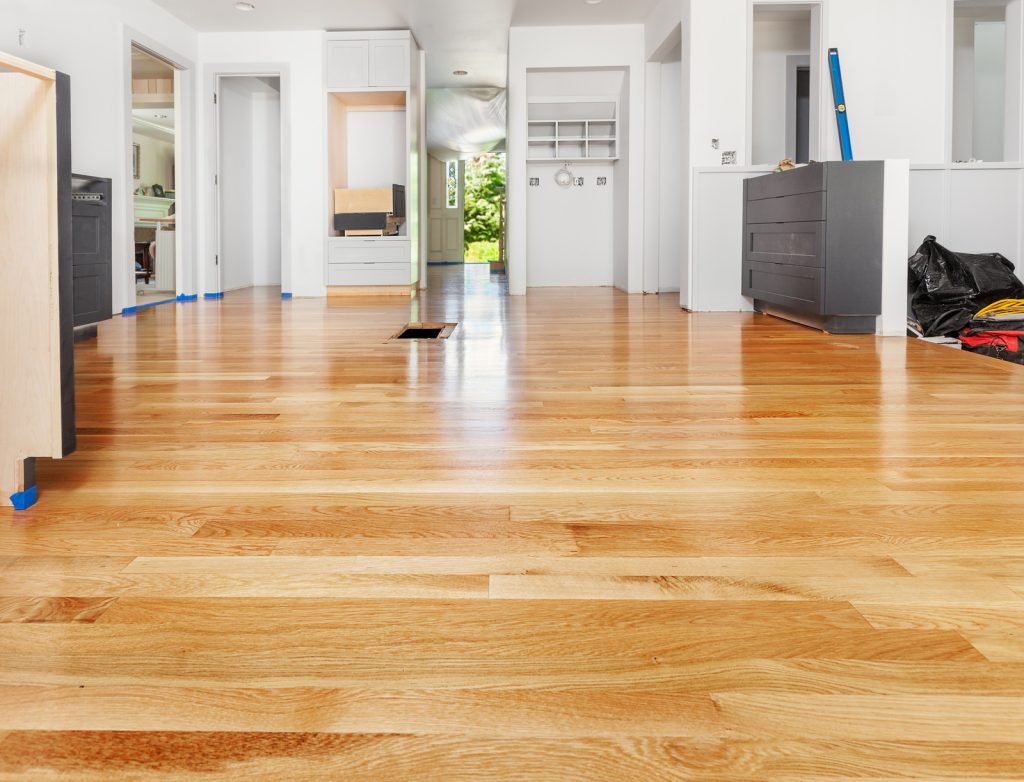
Choosing the right wood floor can feel like a big decision, especially when you hear about solid hardwood and engineered wood as the main options. Both bring the rich look of real wood to your home, but they behave differently depending on where you plan to put them and how you live. In this guide, we’ll break down what makes each type special, so you’re not left guessing which one truly fits your space and lifestyle.
Choose solid hardwood flooring if you seek long-lasting durability, traditional aesthetics, and the ability to refinish multiple times in dry, stable environments such as living rooms and bedrooms. Opt for engineered wood flooring when you need enhanced moisture resistance, easier installation over concrete or radiant heating systems, and versatility in areas like kitchens or basements where humidity fluctuates.
Overview of Wood Flooring Types
Solid wood flooring is crafted from a single, continuous piece of hardwood, typically about three-quarters of an inch thick. This robust construction offers unmatched longevity, often lasting a lifetime or more when properly maintained. What really sets solid hardwood apart is its ability to be sanded and refinished multiple times—usually between four and six—which means that surface wear can essentially be “reset,” preserving the floor’s beauty for decades.
Because it is a natural material through and through, it also provides a warm and authentic feel underfoot that many homeowners cherish. However, this purity comes with a caveat: solid hardwood is sensitive to environmental conditions like moisture and humidity. It thrives in dry, stable settings such as living rooms or bedrooms and generally requires nailed-down installation into a wood subfloor.
While solid hardwood excels in durability and tradition, engineered wood flooring brings adaptability to spaces where moisture or temperature shifts would challenge solid wood.
Engineered wood flooring is built from layers—a top layer of real hardwood veneer glued to several underlying layers of plywood or high-density fiberboard. This cross-layered design gives engineered wood exceptional dimensional stability; it resists warping or cupping caused by changes in humidity, making it ideal for areas like kitchens, basements, or homes with radiant heating systems.
Thickness for engineered planks varies, ranging from roughly 3/8 inch up to 3/4 inch, but the critical factor is the veneer thickness on top, which determines how many times you can refinish the floor—typically once or twice with thicker veneers around four millimeters. Installation options broaden with engineered floors, too: nail-down, glue-down, or even floating installations over concrete slabs become viable without costly subfloor preparation.
Choosing between these two types largely hinges on your environment and lifestyle — do you prioritize longevity and refinishing potential, or flexibility and moisture resilience?
| Feature | Solid Hardwood | Engineered Hardwood |
| Construction | Single piece of hardwood | Multiple layers with hardwood veneer |
| Typical Thickness | ~3/4 inch | 3/8 to 3/4 inch |
| Refinishing | 4 to 6 times | 0 to 2 times (depending on veneer) |
| Moisture Sensitivity | Higher | More resistant |
| Installation | Nail-down only | Nail-down, glue-down, floating |
| Best Uses | Dry areas (living rooms, bedrooms) | Moist or variable humidity zones (kitchens, basements) |
| Lifespan | Up to 100 years | Typically 20–30 years |
Understanding these distinctions helps clarify why some homeowners swear by the timeless elegance of solid hardwood while others find engineered wood fits their practical needs better. At North State Tile Design Center in Charlotte, NC, we frequently advise clients based on this balance—matching the right type of wood flooring not just to style preferences but also to the realities of daily use and environment.
If you are considering durability paired with traditional aesthetics and long-term resale value, solid hardwood often makes an excellent investment—but remember it demands suitable installation conditions and care. Conversely, engineered wood shines in versatility: it’s designed for modern lifestyles that include basements or kitchens where moisture might otherwise wreak havoc.
Having established this essential groundwork that distinguishes these core flooring types by their structure and suitability, we move toward exploring specific features and installation methods that define traditional solid wood floors in greater detail.
Solid Wood Flooring: Features and Installation
Solid wood flooring is prized for its authenticity and natural beauty. Each plank is a single piece of wood, typically around three-quarters of an inch thick, harvested from species like oak, maple, and walnut. These woods are not only chosen for their aesthetic grains and colors but also for their strength and durability. For instance, oak remains the most popular choice, favored by 54% of homeowners according to the National Wood Flooring Association, because of its versatility and ability to blend with many design styles.
One essential aspect of solid wood is its responsiveness to environmental factors; it expands and contracts with changes in moisture and temperature. This sensitivity means installation requires careful preparation. Before laying the planks, you must allow them to acclimate to the home’s humidity and temperature—often by placing them inside the room for several days. This step might feel tedious, but it prevents future warping or gaps once installed. Following acclimation, installers lay down a vapor barrier paper on the wooden subfloor, shielding against moisture that could penetrate from below. Nailing or stapling each plank securely to this subfloor then ensures stability and longevity for your floors.
One of the standout benefits of solid hardwood flooring is its refinishing potential. Because each plank is solid through-and-through, owners can sand away years’ worth of scratches, dents, or worn finishes multiple times—usually four to six times over the lifespan of the floor. This ability means that even after decades, your floor can regain its original luster without needing replacement. It’s truly a sustainable investment that grows more valuable as time passes.
While the enduring charm of solid wood appeals to many, engineered wood flooring brings a set of practical advantages designed to meet the challenges posed by different spaces and conditions.
Engineered Wood Flooring: Anatomy and Benefits
Engineered wood flooring offers a clever twist on traditional solid hardwood by combining a real hardwood veneer with multiple layers of plywood or high-density fiberboard (HDF) beneath. The top veneer typically measures between 3 to 7 millimeters thick, providing the natural beauty and warmth of solid wood.
This layered design is no accident—it aims to deliver greater stability against temperature changes and moisture, which often challenge solid wood floors.
The core layers beneath the veneer work like the spine of this flooring system, giving it rigidity and resistance to warping or cupping that can happen from fluctuating humidity. While a solid hardwood plank is porous and sensitive, the engineered layers cleverly lock together to limit expansion and contraction to a degree that can be up to 70% better than solid wood alone.
For reference, engineered wood can tolerate moisture content variation ranging from about 6% up to 12%, compared to roughly 6-8% for solid hardwood. This enhanced dimensional stability makes engineered planks particularly well-suited for spaces that see more environmental swings—think basements prone to dampness, kitchens with occasional spills, or coastal homes where humidity can shift drastically through seasons.
Beyond superior moisture resistance, another significant advantage is installation versatility. Engineered wood excels in situations where solid hardwood would struggle: it can be floated over concrete slabs, glued down, or even nailed, depending on subfloor requirements.
This means you can confidently install engineered flooring over radiant heat systems without worry, creating warm floors perfect for chilly mornings.
The typical thickness of engineered planks ranges from 7mm to as much as 15mm overall, with wear layers usually between 0.6mm and 6mm thick. Thicker veneer layers—around 2.5mm to 4mm—allow one or two refinishes during the floor’s lifespan, though far fewer times than solid hardwood’s multiple refinishing potential.
This aspect ties directly into longevity considerations: while engineered wood generally lasts between 20 to 30 years under good care, solid hardwood—with its substantial thickness—can endure upwards of a century if refinished multiple times.
Nevertheless, if your home features conditions unfavorable for traditional hardwood or you seek less intrusive installation methods, engineered wood represents a practical and cost-effective choice that doesn’t sacrifice authentic wood aesthetics.
When weighing your options within Charlotte’s varied climate zones, consider not only moisture conditions but also installation preference and long-term upkeep.
Engineered flooring’s ease of installation—especially floating methods—can reduce labor costs and waste significantly compared to traditional nail-down solid wood systems, making it attractive for budget-conscious renovations or large projects alike.
Selecting engineered wood allows you to enjoy genuine hardwood character in rooms where solid wood installation might present challenges. Its balance of durability, moisture tolerance, and adaptable application positions it as a smart investment in many contemporary homes seeking warmth and elegance without compromising on performance.
Understanding these structural and functional differences sets the stage for a closer look at how each option impacts your budget. Exploring cost considerations next will help clarify which flooring style aligns best with your financial plans.
Comparing Costs: Solid vs. Engineered
When it comes to upfront expenses, solid hardwood flooring tends to carry a higher price tag, generally ranging from $5 to $28 per square foot. This wide range reflects the diversity of species available—from common oaks to rare exotic woods—and the varying widths of planks that add character or luxury appeal to a space.
What many homeowners don’t immediately realize is that beyond material costs, installation contributes significantly to the total investment. Solid hardwood typically requires a labor-intensive process involving nailing down each plank, ensuring a firm attachment to the subfloor. This meticulous method demands expertise and time, factors that naturally increase labor costs.
Engineered hardwood, on the other hand, presents a more budget-friendly upfront option, priced usually between $4.50 and $16 per square foot. Its layered construction not only offers stability but also simplifies installation—floating floors that snap together or glue-down methods reduce both time and expense on labor.
This efficiency translates into quicker project completion, making engineered flooring attractive for those balancing tight renovation timelines or seeking savings in installation fees.
Cost isn’t merely about initial outlay; understanding how these choices impact your home’s long-term value complicates the conversation.
From a resale standpoint, solid hardwood holds an edge with its reputation for durability and timeless craftsmanship. The ability to refinish multiple times over decades means it doesn’t just wear out—it ages gracefully.
Consequently, solid wood flooring tends to deliver a higher return on investment (ROI) in traditional or luxury markets where buyers value heritage materials and longevity. However, this longevity depends heavily on proper upkeep and environmental conditions—two factors that can influence how much value you’ll ultimately recover.
In contrast, engineered hardwood’s shorter refinishing lifespan—usually allowing for one to two refinishes—is well aligned with today’s typical homeownership spans of 7 to 12 years. For many buyers and sellers, especially in climates prone to humidity or fluctuating temperatures, the cost-efficiency in installation and maintenance with engineered wood outweighs marginal differences in prestige.
Appraisers often classify both types under the broad “hardwood flooring” category as long as real wood veneer is present, which narrows distinctions in perceived value outside high-end niche markets.
Beyond numbers and installation methods lies an essential truth: investing wisely means not only choosing the right product initially but also maintaining it to preserve beauty and function over time.
Whether you lean towards the enduring charm of solid hardwood or the practical versatility of engineered wood, keeping your floors well cared for ensures your investment pays dividends through years of enjoyment and appreciation — a topic worthy of deeper exploration ahead.
To protect your choice and maintain its allure, it’s important to understand proper care techniques that apply uniquely and collectively to both solid and engineered wood flooring options.
Maintenance Tips for Both Options
Keeping your hardwood floors looking beautiful isn’t a one-time job—it requires consistent care that fits into your lifestyle. First, basic maintenance plays a huge role. Dirt and grit act like sandpaper on wood grain, slowly scratching away at that fresh finish you loved when the floor was new. Sweeping or vacuuming regularly is essential to whisk away those tiny particles before they settle in, especially in busy areas where foot traffic brings in soil from outside.
When deeper cleaning is needed, it’s tempting to reach for any household cleaner, but this can quickly damage the wood’s surface. Wood floors—whether solid or engineered—respond best to a damp mop with just a little water or a specially formulated pH-neutral wood cleaner.
Excess moisture softens the wood fibers and can cause warping or peeling finishes over time. So, keep water usage light and avoid harsh chemicals altogether.
Beyond daily upkeep, thinking about the long-term health of your floor helps extend its life noticeably.
One key difference between solid and engineered hardwood is how often each can be refinished. Solid hardwood floors stand out for their longevity partly because you can sand them down and refinish them multiple times—usually four to six times—renewing their look completely as they age.
In contrast, engineered hardwood, with its thin hardwood veneer, allows fewer refinishing cycles, generally just one or two depending on veneer thickness.
This means if you anticipate heavy wear over years—like from kids playing or moving furniture around often—solid hardwood offers more options down the road. Still, engineered wood’s layered construction offers better resistance to moisture changes and is easier to install in tricky spaces like basements or over radiant heating.
Prevention strategies help reduce wear and tear regardless of which flooring you choose.
Rugs aren’t just decorative; they serve as frontline defenders against scratches and dents, especially in high-traffic zones near entryways or hallways. A well-placed rug traps dirt and protects your floor beneath from constant abrasion.
Additionally, felt pads on furniture legs work wonders at preventing nasty gouges when chairs or tables shift slightly during normal use.
Remember to periodically check those pads to make sure they’re intact. Replacing them when needed pays off by saving costly repairs later.
Combined, these maintenance habits significantly boost the lifespan of both solid and engineered wood floors while keeping their natural warmth and beauty intact. Whether you’re laying floors throughout your home or upgrading a single room, investing time in proper care will pay dividends in comfort and value.
“A floor isn’t just wood underfoot—it’s an investment that deserves respect every day.”
Understanding how maintenance impacts flooring longevity sets the stage for evaluating which style fits best with your lifestyle and space requirements. Our next focus shifts toward guiding you through factors that influence making the perfect choice tailored specifically for your home environment.
Choosing the Right Floor for Your Home
Picking the perfect floor goes beyond just looks—it’s about matching the flooring’s performance and character to your living environment and lifestyle. For instance, environmental conditions play a critical role: engineered wood, with its advanced moisture resistance, is an excellent match for areas prone to dampness like basements or kitchens. This resilience makes it a practical choice where solid wood might warp or swell over time. Conversely, solid hardwood flourishes in stable, dry spaces such as living rooms or bedrooms where it can display its traditional charm without worry.
This leads naturally into how these floors wear in real life. Solid wood offers the advantage of multiple refinishing opportunities—usually 4 to 6 times if cared for properly. That means your solid floors can be rejuvenated repeatedly over decades, preserving their lustrous appearance and adding lasting value to your home. Engineered wood, while still refinishable, typically allows fewer sessions (commonly 1 or 2), making it great for those who want beautiful floors but plan less frequent upgrades.
| Feature | Solid Wood | Engineered Wood |
| Moisture Resistance | Low | High |
| Installation | Nail-down | Nail, Glue, Click |
| Refinishing | 4-6 times | 1-2 times |
| Cost | Higher | Lower |
| Best Use | Dry areas | Versatile / Humid |
Aesthetics and resale value often tip the scales toward solid wood when homeowners seek timeless elegance and traditional warmth. Its visible grain patterns, natural imperfections, and deeper tonal variation add authenticity that ages gracefully—a characteristic highly prized by buyers.
Yet engineered options have evolved tremendously: collections like VANTIA’s Peak or Bjelin lines present captivating textures with medium-warm neutrals that remain stylish beyond fleeting trends. These allow more design freedom through varying plank widths and finishes while fitting modern lifestyles perfectly.
Think of choosing flooring as crafting the foundation of your interior story. A balanced medium-tone floor with a matte or lightly distressed finish can both complement changing decor styles and cleverly disguise minor scuffs or dust that come with daily living. Keeping this intentionality ensures your wood floor doesn’t just look good on day one but continues to contribute to a welcoming atmosphere years down the line.
Considering these factors carefully will empower you to select a wood flooring solution that harmonizes durability, style, and practicality—ensuring every step at home feels just right.
Choosing between solid hardwood and engineered wood flooring in Charlotte NC comes down to durability, style, and the environment in your home. For timeless elegance, solid hardwood offers multiple refinishing opportunities, while engineered wood provides moisture resistance and versatile installation for kitchens, basements, or humid areas. At North State Tile Design Center, we help Charlotte homeowners select the perfect flooring solution, including tiles for sale, ceramic and porcelain options, and marble or quartz countertop installation to complete your design. Schedule your free consultation today and transform your home with expert flooring design services in Charlotte NC.